
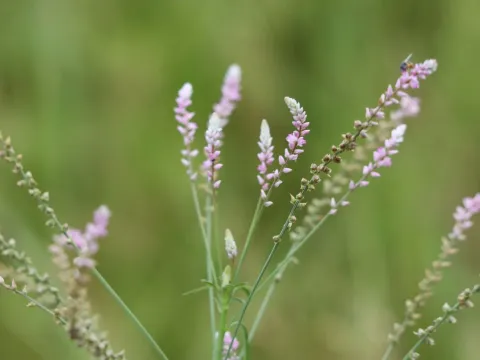
Digera
Digera Forssk.
Digera seeds are sown directly into open soil when temperatures stabilize above 20 degrees Celsius. The crop is thermophilic, meaning early sowing in cold soil leads to poor germination rates and stunted vegetative growth.
What the section contains

Digera
The optimal planting depth is 1 to 2 centimeters, ensuring sufficient moisture contact for the seeds. It is important to maintain row spacing of 30 to 45 centimeters to allow the plant to develop a robust aerial biomass.
In hot climates, a succession planting method with 3–4 week intervals is recommended. This allows for a continuous harvest of fresh greens throughout the entire growing season while solar activity remains high.
Soil must be well-prepared, weed-free, and enriched with organic matter before sowing. The plant performs best in light, well-aerated sandy or loamy soils with a neutral pH level.
Seeding rates for Digera vary based on the method and purpose of cultivation, averaging 5 to 8 kilograms per hectare for a dense plant stand.
Digera is a genus of plants within the Amaranthaceae family, with Digera muricata being the most recognized species. It is native to tropical and subtropical regions of Asia and Africa, where it has long been cultivated as a leafy vegetable.
The crop has high light requirements, as it thrives under long-day conditions. A deficiency in sunlight results in stem elongation and a significant drop in product quality, especially when grown in greenhouses without supplementary lighting.
Water management is crucial; although mature plants are somewhat drought-tolerant, Digera requires consistent irrigation during early growth stages. Waterlogging, combined with poor drainage, can trigger root rot.
The ideal temperature range for growth is between 25 and 32 degrees Celsius. The plant is extremely sensitive to frost, which can destroy the entire harvest even with a brief drop in temperature to zero degrees.
Digera prefers soils rich in nitrogen and potassium to stimulate the development of succulent foliage. Mineral fertilizers applied during the peak growth phase significantly increase total biomass and market quality.
The yield of Digera depends directly on the level of agronomic care and the frequency of harvests. Under favorable conditions with regular irrigation and fertilizing, high marketable yields can be achieved within a short life cycle.
The first harvest of foliage is typically carried out 40–50 days after full germination. Repeated cutting of lateral shoots extends the fruiting period, increasing total seasonal yield by 20–30 percent.
Average yields under intensive cultivation range from 15 to 25 tons of green biomass per hectare. The crop is valued for its high nutrient uptake efficiency and its ability to regenerate quickly after cutting.
To optimize harvests, it is critical to pick the leaves when they are at their most succulent, before they begin to turn fibrous. Delaying the harvest leads to rapid lignification of the stems and a decrease in nutritional value.
Yield results are also influenced by plant density. While denser plantings can produce more biomass, they require stricter monitoring for phytosanitary issues to prevent fungal outbreaks.
Fungal pathogens that attack the root system during periods of excess moisture are among the most common threats to Digera. Dark spots on leaves often indicate cercospora or powdery mildew, which require the immediate removal of affected plant parts.
Pests like aphids can cause significant damage to young plants by sucking sap from soft tissues. Massive infestations lead to leaf deformation and stunted growth, necessitating the use of biological insecticides.
Larvae of various leaf-eating insects can damage foliage, reducing its market appeal. Field monitoring during early morning hours allows for the early detection of invasions, minimizing losses without intensive chemical intervention.
Weeds pose a serious threat to Digera during the early stages of life. Lack of timely weeding in the first 2–3 weeks after germination can lead to crop suppression and the loss of nearly half of the potential harvest.
Crop rotation is highly recommended to protect plantings. Planting Digera after Solanaceae or legumes helps reduce the accumulation of soil-borne pathogens and improves the overall state of the agrocenosis.
Harvesting is performed manually or with specialized machinery for leafy vegetables. The best time for cutting is early morning when tissues are fully turgid, ensuring the product stays fresh during transit.
It is important to cut shoots at a height of 5–7 centimeters above the soil surface to stimulate the regrowth of lateral branches. This allows for multiple harvests in a single cycle, significantly increasing economic returns.
The harvested crop requires immediate cooling to slow respiration and moisture loss. Quality products must be bright green, free from yellowing, and devoid of mechanical damage caused by improper handling.
After harvest, the greens are sorted, cleaned of debris, and packaged in well-ventilated containers. Short-term storage is possible at 2–4 degrees Celsius, maintaining quality until the product reaches the market.
If the goal is seed production, the harvest is delayed until the seed pods reach natural maturity. In this case, plants are left in the field until they turn brown, followed by drying and threshing of the seed material.