
Digera muricata
Digera muricata (L.) Mart.
Description
Growing requirements
Digera muricata, commonly known as false amaranth, is a herbaceous annual plant belonging to the Amaranthaceae family. Originating from tropical Asia and Africa, this plant is highly valued for its ability to thrive in challenging environments where other crops might fail.
The plant exhibits remarkable tolerance to heat and drought, making it an ideal candidate for cultivation in arid and semi-arid regions. It performs best in well-drained, sandy loam soils, although it can adapt to a variety of soil textures given sufficient sunlight.
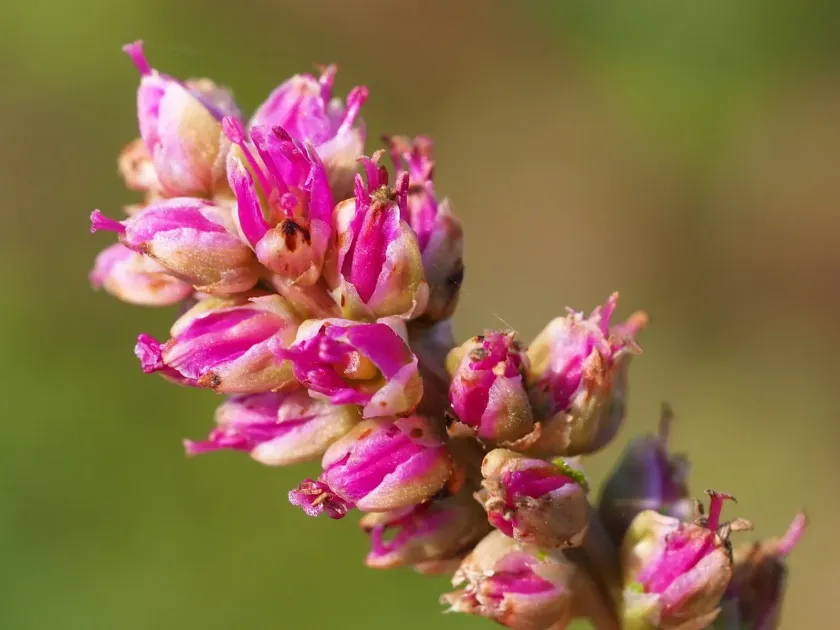
Botanically, Digera muricata is characterized by its branching stems and simple, alternate leaves. The inflorescence consists of spikes containing numerous small flowers, which efficiently produce a large volume of seeds, ensuring the plant's natural propagation in its native habitat.
In agricultural practice, the plant is utilized primarily as a leafy vegetable and a high-quality fodder crop. It is rich in essential nutrients, including iron and calcium, which makes it a valuable food source in local communities and a nutritious supplement for livestock.
Cultivation practices are relatively straightforward, focusing on soil preparation and seed placement at shallow depths. Because the crop grows rapidly, it quickly shades the ground, which naturally suppresses weed development and reduces the need for manual weeding.
Main diseases and pests
The crop may face pressure from various leaf-eating insects, such as beetles and caterpillars, during the vegetative stage. Integrated pest management strategies, including the use of neem-based oils or physical barriers, are often sufficient to manage these populations effectively.
Root rot and fungal infections can occur if the soil remains waterlogged for extended periods. Proper land leveling and ensuring good drainage during the rainy season are essential to prevent moisture-related diseases that can compromise plant health.