
Dicranostigma leptopodum
Dicranostigma leptopodum
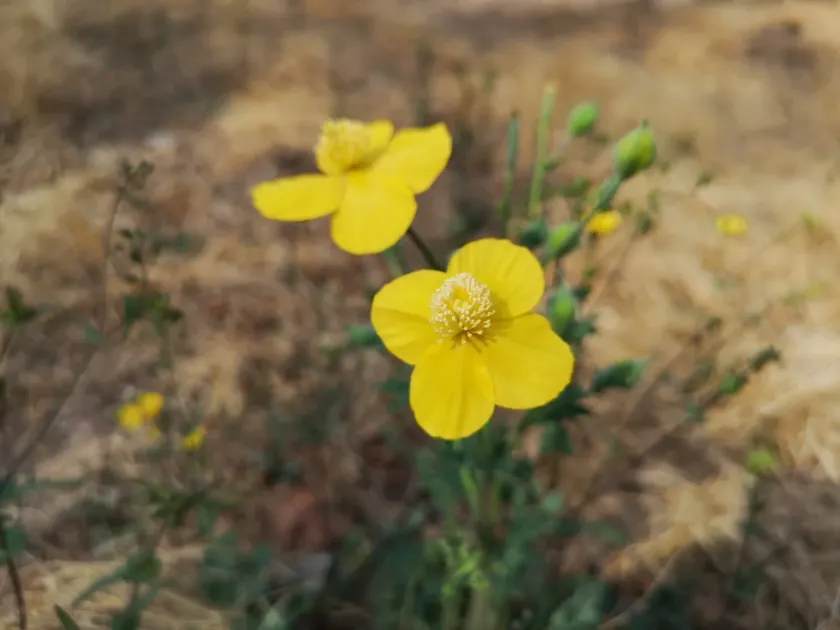
Description
Sowing dates
Dicranostigma leptopodum is a perennial herbaceous plant belonging to the Papaveraceae family. Originally found in mountain regions of China, it grows well in rocky soils and is valued for its unique phytochemical profile.
Propagation is primarily achieved through seeds, which require a specific period of cold stratification to overcome dormancy. Sowing is best performed in early spring or late autumn in well-drained prepared soil.
Seeds are small and sensitive to planting depth; they should be sown on the surface and lightly covered with a thin layer of substrate or coarse sand to ensure optimal light exposure for germination.
Young seedlings require stable moisture levels and protection from extreme temperatures until they develop a robust rosette of leaves and a strong root system.
Space optimization is critical during the initial planting phase, as the plant needs sufficient airflow and room for the rosette to expand to prevent fungal development.
Growing requirements
The crop thrives in bright, diffused light, preferring sheltered locations where it is protected from intense, direct midday sun and harsh drying winds.
Soil requirements focus on excellent aeration and drainage. Heavy, water-logged clays will lead to root rot; therefore, creating a high-drainage bed is an essential agrotechnical step.
The ideal temperature for active growth ranges between 15 and 22 degrees Celsius, with the plant showing moderate tolerance to cooler temperate climates.
Regular but moderate watering is necessary. It is crucial to allow the substrate to slightly dry between irrigations to avoid suffocating the root system, which is highly sensitive to hypoxia.
Integrated weed management is vital during the first year of growth, as the plant can be easily suppressed by fast-growing weeds in the surrounding area.
Yield
The economic value of this plant lies in its significant content of isoquinoline alkaloids, which are highly sought after by the pharmaceutical industry for medicinal synthesis.
Sustainable yield is generally achieved by the second year of cultivation. Optimal timing for the harvest of aerial parts is during the peak flowering stage to ensure the highest concentration of active compounds.
Processing involves rapid drying of the harvested biomass under controlled temperatures to prevent the enzymatic degradation of the valuable chemical constituents.
Crop productivity is maintained through periodic soil analysis and balanced fertilization, focusing on potassium and phosphorus to support metabolic activity in the plant tissues.
Careful management of the harvest cycle ensures that the plantation remains productive for several years before the need for rejuvenation or crop rotation.
Main diseases and pests
Fungal pathogens such as powdery mildew represent the primary threat to this crop, especially in environments with high humidity and poor natural ventilation.
Pests like aphids are common threats that colonize the tender shoots and flower buds, weakening the plant and potentially acting as vectors for viral diseases.
Prevention strategies involve maintaining proper spacing between rows to improve airflow and regularly scouting the crop to identify early signs of infestation.
Chemical intervention should be strictly limited to preserve the medicinal quality of the raw material, with a preference for biological control agents and natural suppressants.
- Use of pathogen-free growing media.
- Ensuring proper field drainage.
- Regular removal of affected plant parts to stop disease spread.
Harvesting
Harvesting the aerial parts is conducted at the peak of the flowering period to capture the highest density of alkaloids within the foliage and stems.
Manual or mechanized cutting should be performed carefully, avoiding damage to the plant base, which may allow for a secondary harvest if conditions remain favorable.
The root material is typically harvested at the end of the growth cycle in late autumn, allowing the plant to fully mobilize its reserves into the underground structures.
Post-harvest handling is critical, as moisture must be removed quickly to maintain the integrity of the bioactive compounds and prevent microbial decay during storage.
Stored raw materials should be kept in cool, dark, and well-ventilated conditions to maintain the therapeutic efficacy of the alkaloids for future processing.