
Dicranostigma franchetianum
Dicranostigma franchetianum
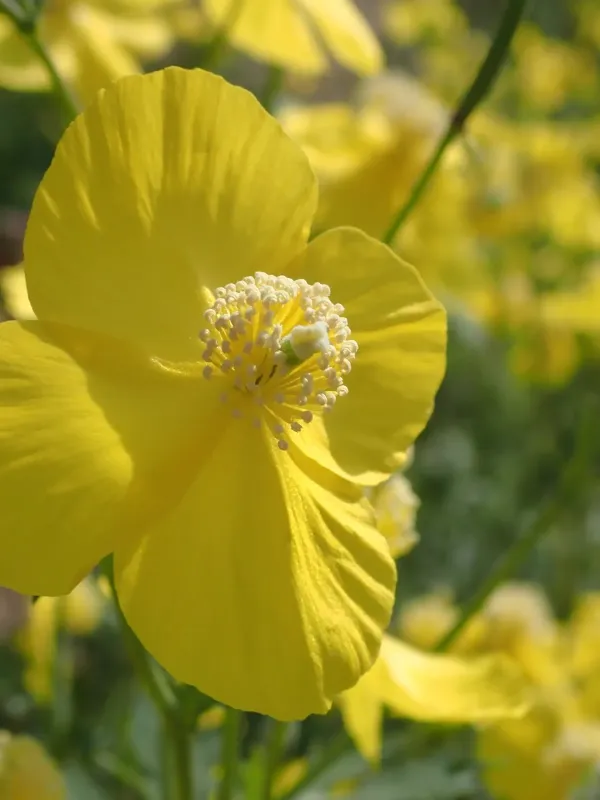
Description
Sowing dates
Dicranostigma franchetianum is a perennial herbaceous plant belonging to the Papaveraceae family. In natural conditions, sowing typically occurs in early spring when soil temperatures reach 10–12 degrees Celsius.
Under cultivation, it is recommended to sow seeds in nursery trays or greenhouses during March or April. This allows for better germination control, as the seeds are quite small and require shallow placement on the substrate surface.
During sowing, it is crucial to maintain high humidity in both air and soil during the initial weeks of seedling development. Germination usually takes between 14 and 21 days under optimal temperature conditions.
Transplanting seedlings to their permanent outdoor location should be done once the threat of late spring frosts has passed. An optimal spacing of 30 by 30 centimeters is recommended to ensure adequate nutrition.
The culture is quite adaptable, but its root system is highly sensitive to damage during transplanting, making the use of peat pots a preferred method.
Growing requirements
The plant thrives in well-drained, fertile loamy soils with a neutral or slightly acidic pH. Waterlogging is detrimental to this species, as it often leads to root rot.
Dicranostigma franchetianum prefers sunny, open locations but can tolerate light shade during midday hours. In deep shade, the plant tends to stretch, and the ornamental value of its flowers decreases significantly.
The plant is relatively resistant to temperature fluctuations; however, during snowless winters with severe frosts, it may benefit from a light mulch covering. Regular, moderate watering is required during dry spells.
Fertilizing with complex mineral fertilizers, rich in potassium and phosphorus, is recommended during the active flowering stage to support development.
Weed control is essential, as the plant does not compete well with aggressive weeds during its early growth stages.
Main diseases and pests
The primary diseases affecting this culture are fungal infections, such as root rot and powdery mildew, which typically occur due to excessive soil moisture.
Among pests, aphids pose the greatest threat, as they colonize young leaves and flower stalks, extracting cell sap and weakening the plant's overall development.
In conditions of high humidity, slug infestations may occur, causing damage to the leaf blades and reducing the plant's ornamental or medicinal potential.
Disease prevention involves practicing crop rotation, promptly removing plant debris, and maintaining optimal planting density to ensure proper airflow.
When pests are detected, approved insecticides or biological control methods should be employed to ensure the safety of beneficial pollinators.