
Dicranostigma lactucoides
Dicranostigma lactucoides
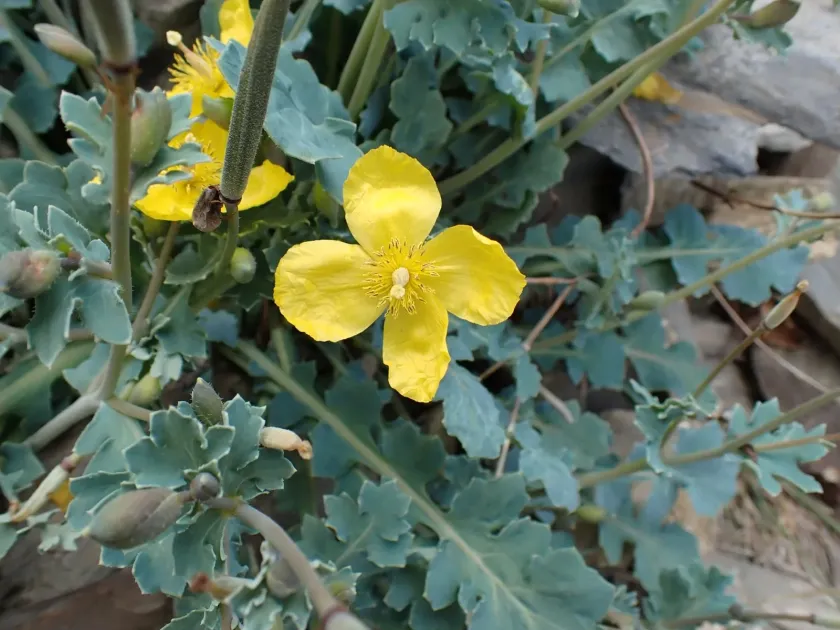
Description
Sowing dates
Dicranostigma lactucoides belongs to the Papaveraceae family. It is a perennial herbaceous plant known for its medicinal potential and specific growth requirements.
The sowing season typically begins in early spring, once the soil has sufficiently warmed up. Seeds require a cool, moist period to break dormancy effectively before germination begins.
Planting depth should be minimal, ideally around 1 centimeter, as the seeds are small and sensitive to deep burial. Sowing is best performed in well-prepared, fine-textured seedbeds.
Row spacing of 45 centimeters allows for adequate light penetration and air circulation around the plants. This spacing helps to minimize the incidence of fungal diseases during humid weather.
Seedlings emerge within three weeks under optimal conditions. Maintaining consistent moisture during the initial establishment phase is critical for achieving a uniform stand.
Growing requirements
The plant thrives in sunny locations but can tolerate partial shade in warmer climates. Sufficient sunlight is essential to stimulate the production of secondary metabolites in the foliage.
Soil structure should be sandy or loamy with excellent drainage characteristics. Waterlogged conditions are detrimental to root development and must be avoided at all costs.
The species prefers neutral to slightly alkaline soil pH levels. Regular incorporation of organic matter helps improve nutrient availability and soil moisture retention properties.
Weed control is essential during the plant's first year of growth. Regular hoeing helps eliminate competition and keeps the soil surface loose for better oxygen diffusion.
Although the plant is quite hardy, protecting the base of the plant with organic mulch during harsh winter months can help preserve the crown and ensure vigorous regrowth in spring.
Harvesting
Harvesting for medicinal purposes occurs during the peak flowering stage. This is when the concentration of active chemical compounds in the leaves and stems is at its highest.
The aerial parts are harvested by cutting the stems just above the basal leaf rosette. This method allows the plant to recover and produce secondary growth throughout the season.
Drying must be conducted immediately after harvest to preserve quality. Spreading the material in thin layers in a shaded, well-ventilated area is the standard procedure.
Seed collection is performed when the capsules turn brown but before they dehisce. Harvesting too late will result in significant seed loss as the capsules open readily.
Post-harvest, seeds should be cleaned and stored in dark, cool, and dry containers. Proper storage conditions are necessary to maintain seed viability for several years.