
Dichromanthus michuacanus
Dichromanthus michuacanus
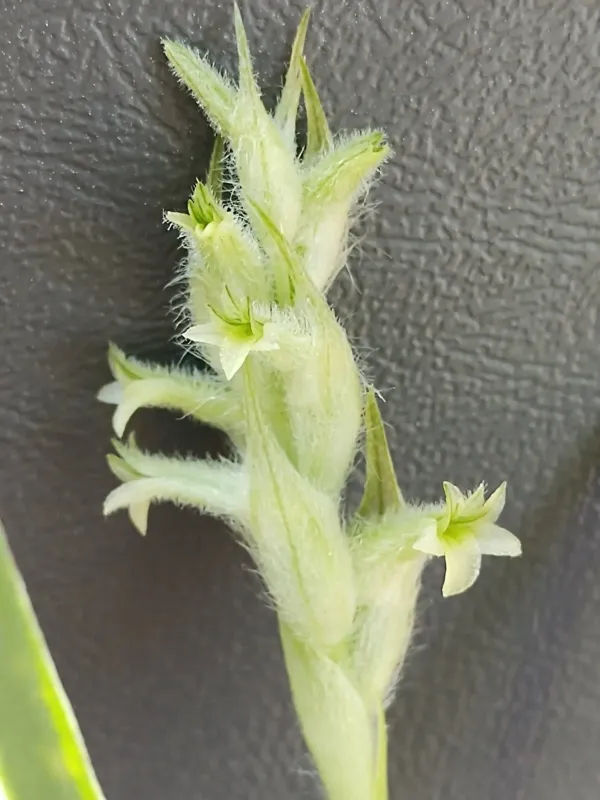
Description
Sowing dates
Dichromanthus michuacanus is a terrestrial orchid species that poses significant challenges for cultivation. Propagation is primarily achieved through seeds under laboratory conditions, as they require symbiotic fungi to germinate due to the lack of endosperm.
In a nursery setting, seedlings produced via in vitro techniques are acclimated to greenhouse environments before being transitioned to traditional growing pots. This ensures the plant has a strong foundation before environmental exposure.
The best time to initiate active growth is during the transition to spring when temperatures begin to stabilize. Careful management of the substrate is vital during the initial establishment phase to prevent root stress.
When repotting, one must use a porous, orchid-specific mix that mimics the natural drainage found in its native Mexican habitat. Avoid compacting the soil, as the roots require significant aeration.
Vegetative division of mature, healthy clumps is a secondary method, although it must be done with extreme care to avoid damaging the fragile, succulent-like root system.
Growing requirements
The plant thrives in bright, indirect light conditions. While it appreciates morning sun, shade should be provided during the intense afternoon hours to prevent leaf scorching.
A well-draining, slightly acidic soil substrate is essential. Mixtures incorporating pine bark, perlite, and organic peat are generally recommended for providing the necessary structure and moisture retention.
The species requires a moderate climate. It is not cold-hardy, meaning that in temperate regions, it must be grown in containers and brought indoors before the first autumn frost.
Watering should be balanced and mindful of the plant’s seasonal rhythm. During the growing season, keep the substrate consistently moist but never waterlogged; decrease watering significantly during the dormant winter phase.
Consistent airflow around the foliage and roots is critical. High humidity is beneficial, but only when paired with good ventilation to prevent the onset of rot and bacterial infections.
Main diseases and pests
The most common threats to Dichromanthus michuacanus include various fungal root rots, typically triggered by improper irrigation and poor air circulation in the growing medium.
Pests like mealybugs and spider mites are frequent adversaries. These pests thrive in indoor conditions if the humidity is too low or if the plant's health is already compromised.
Over-fertilization can burn the sensitive root system and invite secondary infections. It is best to use a diluted orchid fertilizer during the active growing season only.
Preventative measures include regular visual inspections and maintaining excellent hygiene in the growing space, including the sterilization of pots and tools between uses.
In case of infestation, early intervention using gentle, plant-safe acaricides or insecticides is recommended to save the plant from severe damage.