
Spathulate abelia
Diabelia spathulata
Description
Growing requirements
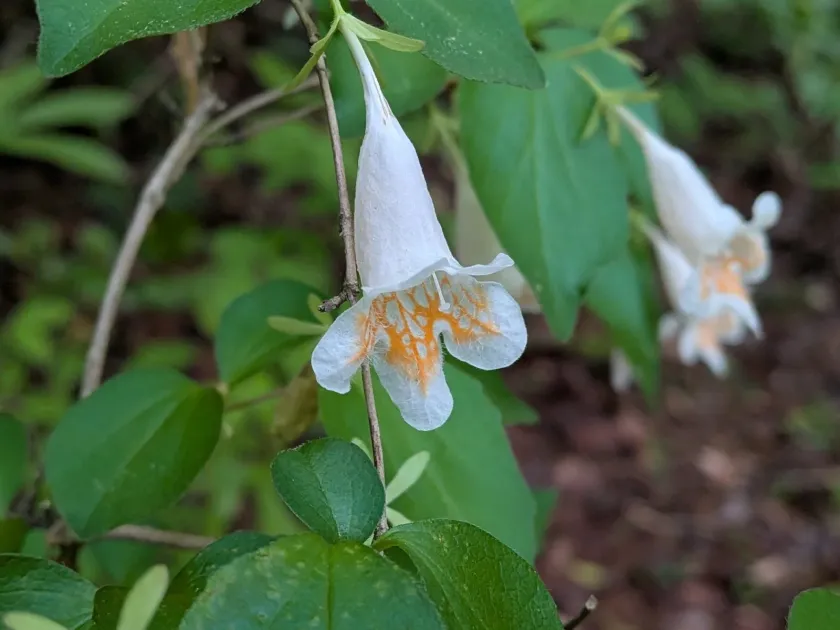
Spathulate abelia (Diabelia spathulata) is a deciduous shrub belonging to the Caprifoliaceae family. Native to Japan, this plant is increasingly recognized in horticulture for its unique leaf structure and elegant growth habit, serving as an attractive element in managed landscapes.
The crop requires fertile, well-drained loamy soils with a slightly acidic to neutral pH level. It thrives in locations with full sun exposure, although it displays a high level of adaptability to partial shade, which can be beneficial in warmer climatic zones to protect the foliage from scorching.
Climatic requirements involve stable moisture levels, necessitating consistent irrigation during periods of drought. While the species is moderately hardy, it requires protection from severe frost in colder regions, typically through the application of organic mulch around the base of the shrub to maintain soil temperature.
Agronomic management focuses on structural pruning, which should be performed during the dormant season or immediately after flowering. This practice encourages the development of new, vigorous stems and ensures the preservation of the desired ornamental shape of the plant over time.
The primary horticultural application of Diabelia spathulata is in landscape architecture, particularly for borders, hedges, or as a specimen shrub. Its adaptability and aesthetic qualities make it a preferred choice for gardens seeking a natural yet sophisticated look.
Main diseases and pests
Spathulate abelia is generally robust, yet it remains susceptible to powdery mildew under conditions of high humidity and poor air circulation. Proper spacing during planting is essential to minimize the development of such fungal pathogens and promote a healthy growing environment.
Pest pressure is primarily driven by aphids and spider mites, which can cause significant damage to the soft tissue of developing leaves. Integrated pest management strategies, including the use of biological control agents and soap-based sprays, are recommended for effective mitigation.
Regular scouting and monitoring of the plants are vital for early detection of pest outbreaks. By observing the underside of leaves for signs of infestation, growers can intervene before the population size reaches levels that would threaten the ornamental value of the shrub.
Chemical intervention should be limited to instances of severe infestation, utilizing targeted pesticides that minimize the impact on beneficial insect populations. Maintaining a healthy balance in the garden ecosystem is a key agronomic goal to ensure the long-term vitality of the abelia.
Enhancing plant health through balanced fertilization and appropriate irrigation significantly improves the shrub's natural resistance. By prioritizing preventive care, horticulturists can ensure that Diabelia spathulata remains a vibrant and healthy addition to any collection.