
Diabelia serrata
Diabelia serrata
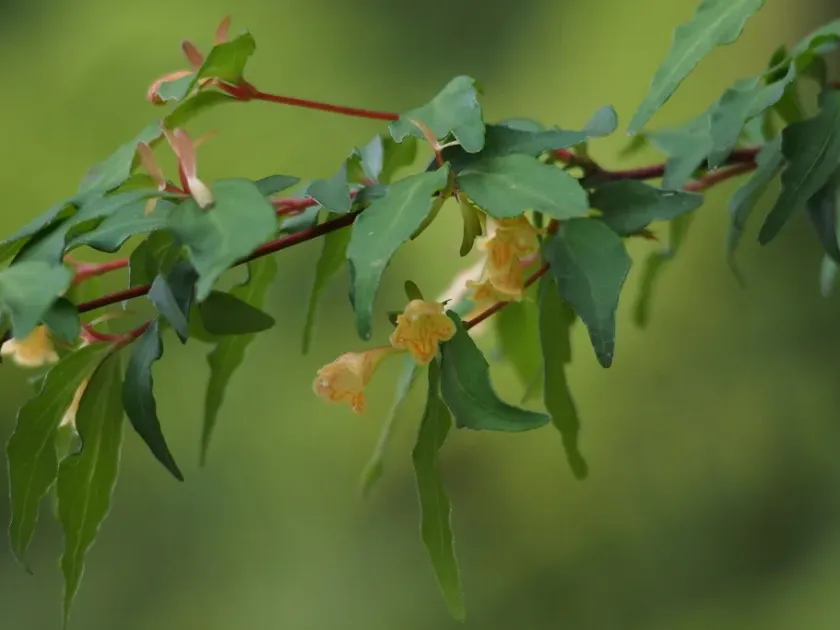
Description
Growing requirements
Diabelia serrata is a deciduous ornamental shrub belonging to the Caprifoliaceae family. Formerly categorized within the Abelia genus, it has been reclassified to reflect its distinct morphological traits and flower structure.
The plant originates from the mountainous regions of East Asia, particularly Japan. It is recognized for its refined habit and delicate foliage, making it a valuable specimen for temperate landscape gardens.
Cultivation requires fertile, well-drained soil with a slightly acidic to neutral pH level. Proper drainage is critical, as the roots are susceptible to rot if subjected to waterlogged conditions for extended periods.
Optimal growth occurs in locations receiving filtered sunlight or partial shade. Exposure to intense afternoon sun can scorch the leaves, so selecting a sheltered spot with protection from strong winds is highly recommended.
Standard horticultural management involves regular watering during dry spells and the application of balanced fertilizers during the growing season to promote healthy branch development and consistent flower production.
Main diseases and pests
The primary diseases affecting this species include powdery mildew, which tends to develop in conditions with poor air circulation or high humidity. Maintaining proper spacing and pruning helps mitigate these risks.
Common pests such as aphids and spider mites may infest the foliage, particularly during warmer, drier months. Integrated pest management using biological controls or appropriate insecticidal soaps is advised for effective suppression.
Root system health is vital; therefore, over-irrigation should be avoided to prevent fungal infections. Ensuring the substrate remains moist but not saturated is key to maintaining long-term vitality.
Annual pruning in late winter or early spring is essential to remove dead or diseased wood. This practice not only enhances the shrub's aesthetic appearance but also prevents the harboring of pests and pathogens.
In colder climates, applying a thick layer of organic mulch around the base of the plant provides crucial insulation. This protects the root zone from deep freezes and sudden soil temperature fluctuations during winter.