
Deutzia carnea
Deutzia carnea
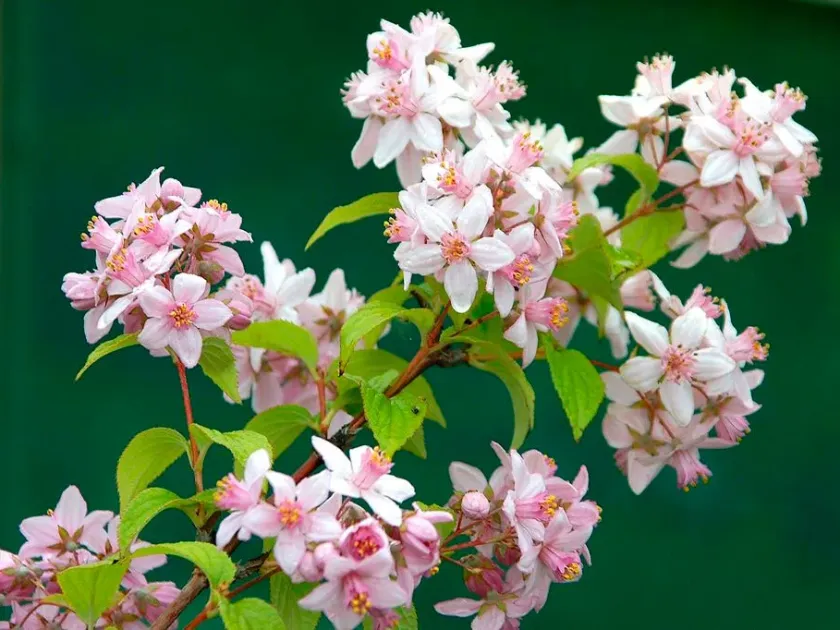
Description
Growing requirements
Deutzia carnea is a deciduous ornamental shrub belonging to the Hydrangeaceae family. Known for its elegant, pale pink blossoms, this plant is a popular choice for adding a refined texture to temperate landscapes.
Originating from the regions of East Asia, primarily Japan and China, this species thrives in climates that provide moderate temperatures and distinct seasonal changes. It is highly valued for its mass flowering display in late spring.
The cultural requirements for this plant focus on soil quality and moisture management. It prefers rich, well-draining soil with a slightly acidic to neutral pH level. Stagnant water can lead to root failure, making drainage preparation essential.
Placement is crucial for the development of Deutzia carnea; it requires a location with full sun to partial shade. Protection from harsh, drying winds is necessary to ensure the survival of flower buds during the colder months.
Annual maintenance involves pruning immediately after flowering to stimulate new growth. Applying a layer of organic mulch helps retain soil moisture and suppresses weeds, creating an ideal environment for the shrub's root system.
Main diseases and pests
Deutzia carnea is generally robust, but it can be susceptible to common fungal issues such as leaf spot or powdery mildew, especially in humid and poorly ventilated gardens. Regular air circulation is key to prevention.
Pests like aphids and spider mites can occasionally affect the foliage. Using insecticidal soaps or targeted horticultural oils is usually sufficient to manage these infestations without harming beneficial garden insects.
Root rot is a major threat caused by overwatering or soil compaction. To mitigate this risk, gardeners should ensure the plant is not set too deeply and that the irrigation schedule is adjusted based on rainfall and temperature.
Winter injury is a potential risk in colder zones. Protecting the plant with landscape fabric or covering the base with mulch provides the insulation needed to survive severe frosts and temperature fluctuations.
Maintaining high plant vigor through proper fertilization and sanitary pruning significantly reduces the vulnerability of the shrub to both opportunistic diseases and environmental stressors throughout the growing season.