
Detarium microcarpum
Detarium microcarpum
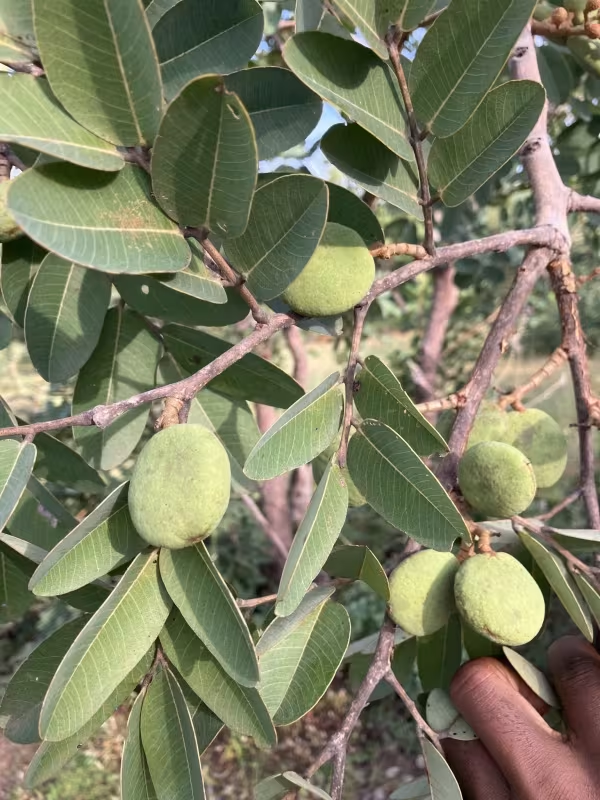
Description
Sowing dates
Propagation of Detarium microcarpum is primarily achieved through seeds. Given the seed's hard coat, physical or chemical scarification is often necessary to break dormancy and ensure uniform germination.
The optimal planting time corresponds to the beginning of the rainy season, allowing the seedlings to establish a deep root system before the onset of the dry period. Sowing in nursery containers is a common practice.
Seeds should be planted at a depth of 2–3 centimeters. Providing a consistent temperature and moisture level during the initial germination phase significantly increases the success rate of the nursery phase.
Seedlings are ready for field transplanting once they reach a height of 30–50 centimeters. During the initial growth stages, protecting the young trees from strong winds and intense midday heat is crucial for survival.
When establishing orchards, a spacing of at least 8–10 meters between trees is recommended to accommodate the crown development of mature individuals and allow for proper air circulation.
Growing requirements
Detarium microcarpum, a member of the Fabaceae family, is a drought-tolerant tree native to the savanna regions of West and Central Africa. It is highly adapted to environments with prolonged dry seasons.
The species thrives in well-drained sandy or rocky soils. It avoids areas prone to waterlogging, as excessive soil moisture can trigger root diseases, which are detrimental to the tree's overall health.
Full sun exposure is required for vigorous growth and effective fruiting. The tree is a heliophyte, and shading from larger canopy trees can significantly suppress its development and yield potential.
Soil pH should ideally be neutral or slightly acidic. Since it belongs to the legume family, the tree has the capacity to fix atmospheric nitrogen, which helps it survive in soils with lower nutrient availability.
The climate must be strictly tropical. Detarium microcarpum does not tolerate cold temperatures or frost, making it suitable only for regions with stable, warm weather throughout the year.
Yield
The primary economic product of Detarium microcarpum is its edible fruit, which is highly valued by local communities as a seasonal food source during the dry season. The fruits are rich in nutritional components.
Yield varies based on tree maturity and environmental factors. Mature trees can produce significant quantities of fruit, provided that flowering occurred during a period with adequate rainfall to support fruit set.
In addition to its fruits, the wood of the Detarium tree is highly prized for its durability and resistance to decay and insect attack, making it an excellent material for carpentry and construction.
Various parts of the tree, including the bark and leaves, are used in traditional medicine, adding further economic value to the cultivation of this species in agroforestry systems.
Regular maintenance, including crown pruning, is recommended to ensure better light penetration and to facilitate easier harvesting of the fruits from the upper branches.
Main diseases and pests
Fungal infections remain a primary threat, particularly in poorly drained soils where root rot can devastate entire plantations. Maintaining the soil's aerobic status is a vital management practice.
Insect pests, such as weevils and certain lepidopteran larvae, may infest the fruits, reducing their marketability. Integrated pest management strategies are essential for maintaining high-quality harvests.
Termites can pose a significant challenge, especially for young trees or those weakened by environmental stress. Protective measures for the trunk base are often necessary in susceptible areas.
Leaf spots caused by various pathogens may occur in stagnant, humid air. Proper planting density and spacing are effective preventive measures to minimize the risk of disease spread.
Human activities, such as overgrazing by livestock in young plantations, can cause bark damage, creating entry points for opportunistic infections and pathogens.
Harvesting
Harvesting should be conducted when the fruit reaches physiological maturity, characterized by a distinct change in the skin color to dark brown. The fruit is typically picked by hand or gently knocked from branches.
Care must be taken during harvest to prevent mechanical damage to the fruit, as damaged skin can lead to rapid fermentation and spoilage, especially in high-temperature environments.
Once harvested, the fruit should be dried in shaded, ventilated areas to reduce moisture content, which is essential for extending shelf life and preventing the growth of molds.
Storage requires cool, well-ventilated conditions. Dried fruit can be stored for several months if protected from pests and high humidity, ensuring food security throughout the year.
When gathering bark or foliage for medicinal use, sustainable practices must be followed. Over-harvesting from a single tree can stunt its growth and reduce its future fruit-bearing capacity.