
Dendrocalamus strictus
Dendrocalamus strictus (Roxb.) Nees
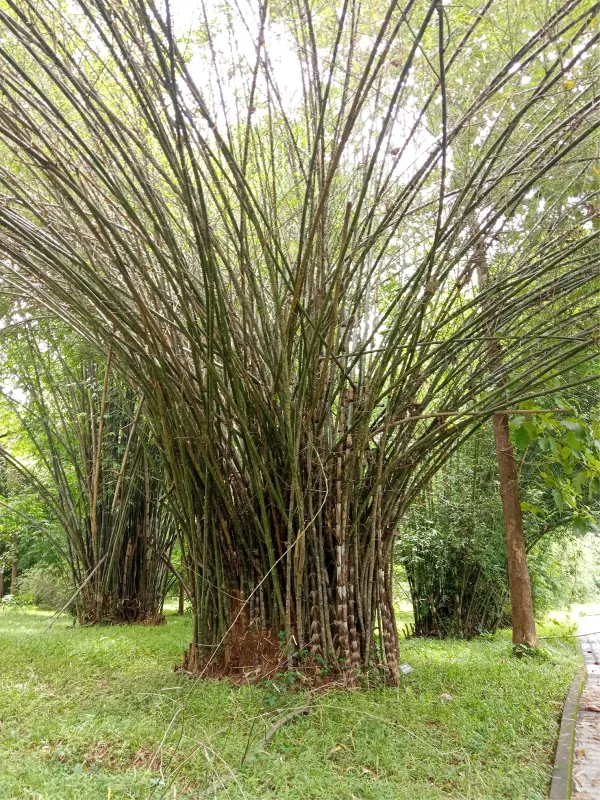
Description
Sowing dates
Dendrocalamus strictus is typically propagated through vegetative methods, including rhizome cuttings or culm cuttings. These methods ensure higher success rates and faster establishment of new plantations.
The optimal planting time coincides with the beginning of the rainy season. This allows the root system to establish itself before the onset of the drier months, which are characteristic of its native habitat.
Site preparation involves clearing vegetation and digging pits of approximately 60x60x60 cm. Adding compost or organic manure into the planting hole provides essential nutrients for the early development stage.
The spacing between plants should be around 5x5 meters. Proper density is crucial to allow sufficient air circulation and room for the development of individual clumps as they mature.
Weed control and moisture management in the first two years are essential. Mulching around the base of the clumps helps retain soil moisture and suppresses weeds, reducing competition for nutrients.
Growing requirements
Dendrocalamus strictus belongs to the Poaceae family and is widely recognized for its high drought tolerance. It is often referred to as "male bamboo" due to its solid, thick-walled culms.
The species thrives in a variety of soil types, ranging from sandy to clayey soils. However, it requires well-drained conditions, as waterlogging can cause significant root stress and decay.
It prefers a tropical climate with distinct dry and wet seasons. It can tolerate temperatures up to 35-40 degrees Celsius and exhibits resilience during periods of low rainfall.
Abundant sunlight is vital for the development of sturdy, thick-walled culms. Shade-grown bamboo tends to be thinner and possesses lower mechanical strength, making it less suitable for construction.
While adaptable, the crop performs best in neutral to slightly acidic soils. It is highly valued in agroforestry systems because it helps in soil conservation and prevents erosion on sloping lands.
Yield
The productivity of a Dendrocalamus strictus plantation stabilizes after about 6 to 8 years. A well-managed plantation can remain productive for several decades with minimal inputs.
Yield depends on site quality, spacing, and the frequency of harvesting. Selective thinning of mature culms encourages the growth of new shoots, directly influencing the annual biomass output.
This species is highly sought after for paper pulp, furniture, and heavy-duty construction. The solid nature of the culms makes it a preferred choice for tool handles and agricultural implements.
Each mature clump can produce a significant number of culms per year. Consistent harvesting allows for a sustainable supply of raw material without the need for replanting the entire area.
Harvesting strategies are based on the age of the culms. Removing 3 to 4-year-old culms is recommended to optimize the quality of the timber for various industrial applications.
Main diseases and pests
Young shoots are highly vulnerable to grazing by wild animals and livestock. Protecting the plantation with fencing is a primary requirement for success in many rural areas.
Pests such as powder-post beetles and culm borers can cause significant damage. These insects bore into the culms, weakening the structure and reducing the market value of the harvested timber.
Fungal infections, such as leaf blight, may occur in high humidity or overcrowded plantations. Improving airflow through regular cleaning of the clumps is the most effective preventative measure.
Root diseases are typically associated with poor soil drainage. Keeping the soil aeration levels optimal is essential for the long-term health of the bamboo clumps.
- Damage from herbivores feeding on young shoots.
- Culm borer infestation reducing structural integrity.
- Fungal spots resulting from stagnant air and high moisture.
Harvesting
Harvesting is ideally conducted during the dry season. Low moisture content in the culms during this period makes them more resistant to pest attacks and improves durability after storage.
Only mature culms (typically 3–5 years old) should be harvested. Younger shoots must be preserved to ensure the continued development and sustainability of the clump.
Sharp, specialized tools are used to cut the culm as close to the ground as possible without damaging the rhizome. Clean cuts help prevent water accumulation in the stump, which reduces rot.
After harvesting, culms are stripped of side branches and sorted by diameter and straightness. Proper curing and drying under shade are necessary to prevent cracking and warping.
Efficient logistics are required to move harvested timber from the field to processing units. Protecting the culms from physical trauma ensures they maintain their aesthetic and functional properties.