
Deinbollia kilimandscharica
Deinbollia kilimandscharica
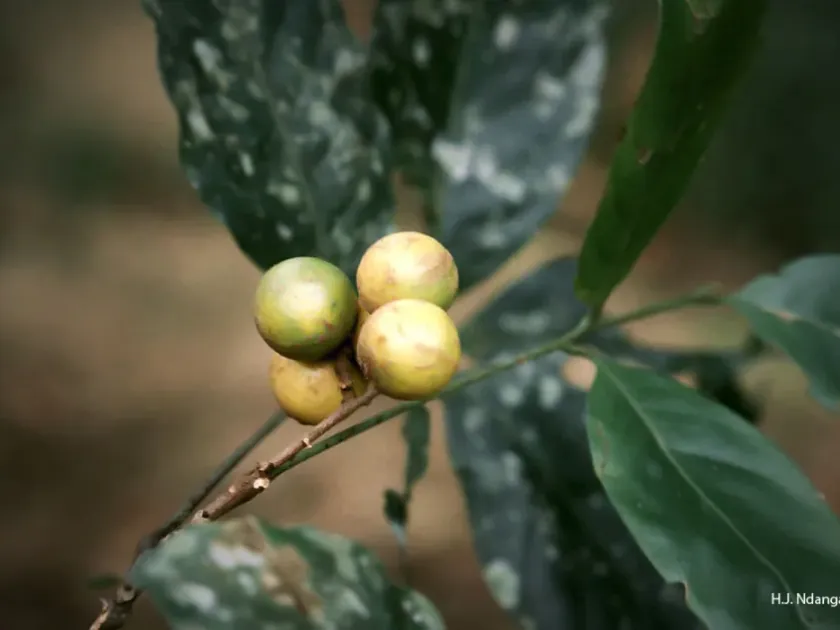
Description
Growing requirements
Deinbollia kilimandscharica is a species of woody plant belonging to the Sapindaceae family. It is native to the tropical regions of East Africa, most notably found in the vicinity of Mount Kilimanjaro, from which its name is derived.
The plant thrives in humid tropical environments, typically inhabiting understory layers of forests. It requires high constant temperatures and protection from harsh, direct sunlight to maintain healthy foliage and continuous vegetative growth.
Regarding soil conditions, this species performs best in nutrient-dense, well-drained loamy soils. Good soil aeration is critical, as the roots are susceptible to decay if the substrate becomes waterlogged or overly compacted during heavy rainy seasons.
Botanically, the species is defined by its compound leaves and characteristic panicle inflorescences. It acts as an important structural component of the local vegetation, contributing to the complex vertical architecture of the East African tropical forest.
In terms of agricultural and ecological use, Deinbollia kilimandscharica is valued primarily for its ecological niche. While not widely cultivated as a commercial food crop, it plays a vital role in local agroforestry initiatives and conservation efforts aimed at preserving endemic flora.