
Deinandra lobbii
Deinandra lobbii
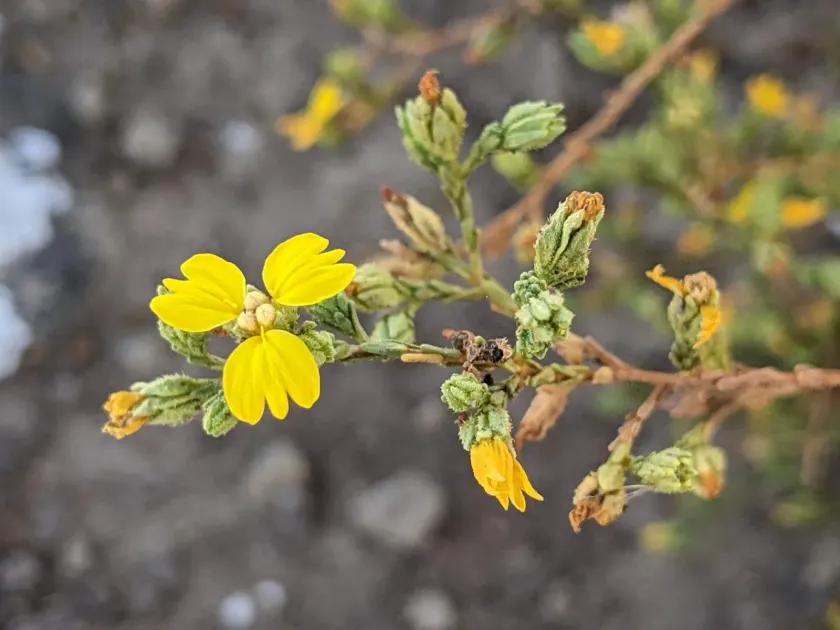
Description
Growing requirements
Deinandra lobbii is a herbaceous plant belonging to the Asteraceae family. It is primarily known for its adaptation to specific semi-arid Mediterranean environments, exhibiting specialized physiological traits for survival in harsh conditions.
The crop requires well-drained, porous soils to thrive. It is highly sensitive to waterlogging, which can cause root asphyxiation and significantly increase susceptibility to soil-borne pathogens in the root zone.
Regarding climate, Deinandra lobbii is a sun-loving plant that prefers high levels of solar irradiance throughout its growth cycle. It is remarkably drought-tolerant, making it a candidate for low-input agricultural systems in arid regions.
Agrotechnical management involves careful site selection to avoid areas with heavy clay or poor drainage. Proper spacing is essential to allow for sufficient airflow, which helps mitigate moisture accumulation around the foliage.
Nutrient requirements are generally low, as the plant has evolved in nutrient-poor substrates. Excessive nitrogen application should be avoided, as it can lead to succulent growth that is more prone to pest infestations and lodging.
Main diseases and pests
The primary biotic threats include powdery mildew, which can colonize leaf surfaces during periods of high humidity or poor air circulation within the field. This can severely affect photosynthetic efficiency.
Aphids represent the most significant pest challenge for this species. They cluster on terminal shoots and developing flower heads, withdrawing sap and causing stunted growth or potential transmission of viral diseases.
Root pathogens, particularly Pythium or Phytophthora species, pose a threat if the field drainage is compromised. These fungi thrive in saturated soils and can cause rapid wilting and plant death.
Seed-feeding insects can cause substantial yield losses during the maturation phase. Management strategies often involve monitoring populations and applying localized treatments if economic thresholds are exceeded.
Regular field scouting is recommended to detect initial signs of stress or pest colonization early. Early detection allows for targeted interventions, minimizing the need for broad-spectrum chemical applications.