
Dehaasia firma
Dehaasia firma
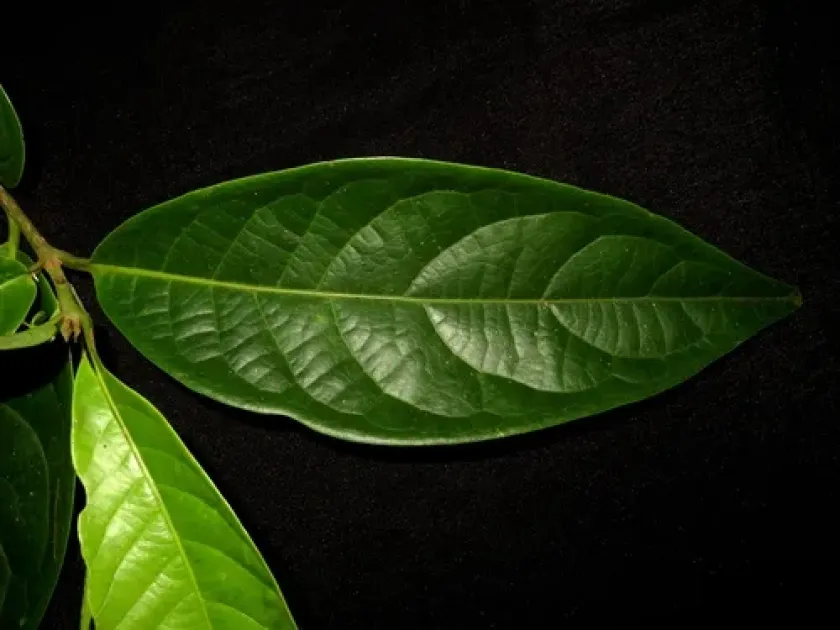
Description
Growing requirements
Dehaasia firma is a prominent member of the Lauraceae family, widely recognized for its ecological importance in the rainforests of Southeast Asia.
The species requires a tropical climate characterized by consistently high humidity levels and warm temperatures throughout the year to achieve its full growth potential.
Optimal soil conditions include well-draining, nutrient-rich substrates, as the plant is highly sensitive to waterlogging which can damage its root system effectively.
The botanical structure of this tree features evergreen foliage and a robust trunk capable of withstanding the competitive environment of the primary forest canopy.
Economically, the species is cultivated for its high-quality timber, which is valued for its density, strength, and durability in various industrial and woodworking applications.
Main diseases and pests
The main pathological threats to Dehaasia firma include soil-borne fungal pathogens that primarily attack the roots when drainage management is neglected.
Insect pests often pose a challenge during the seedling stage, specifically leaf-eating beetles that can significantly reduce the photosynthetic capacity of young plants.
Effective management requires maintaining proper plant spacing to ensure adequate light penetration and airflow, which naturally suppresses many common fungal growth patterns.
Regular surveillance is recommended to identify signs of stem borers or other wood-destroying insects that might compromise the structural integrity of the maturing timber.
Implementing integrated pest management practices, including careful site preparation, remains the best defense against long-term biotic stress on these tropical forest trees.