
Dehaasia cuneata
Dehaasia cuneata
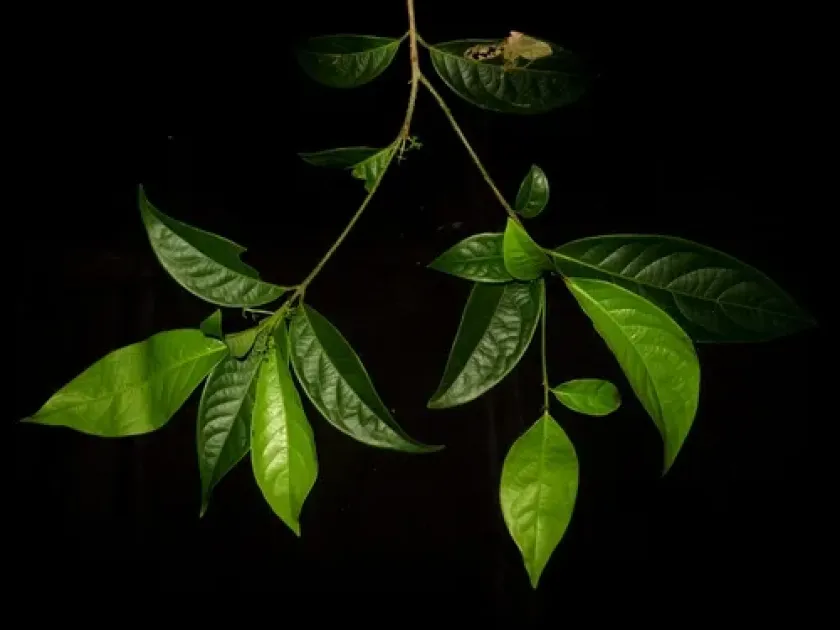
Description
Growing requirements
Dehaasia cuneata is a prominent species within the Lauraceae family, native to the tropical forests of Southeast Asia. This evergreen tree is well-adapted to the high humidity and stable temperatures characteristic of its native geographical range.
The botanical profile of the tree includes leathery, cuneate-based leaves and a well-developed root system capable of exploiting deep, nutrient-rich soil horizons. As an evergreen, it maintains a consistent canopy throughout the year, contributing significantly to the forest biomass.
Regarding environmental requirements, the species thrives in regions with abundant annual rainfall and minimal temperature variance. It is strictly a tropical plant and cannot withstand frost or significant cooling, which inhibits its cultivation to specific climatic zones.
Soil quality is a critical factor for the healthy growth of Dehaasia cuneata. It requires well-drained, porous soils; sites with heavy clay or poor drainage are unsuitable, as they promote root diseases and stunted development of the primary stem.
Silvicultural management involves protecting saplings from invasive species and ensuring adequate spacing in plantation settings. Because the species grows in a forest environment, maintaining soil moisture while preventing waterlogging is essential for optimal growth performance.
Harvesting
The primary economic utility of Dehaasia cuneata lies in its timber production. The wood is valued for its versatility in cabinetry and general construction, offering a balance between hardness and ease of processing for local artisans and manufacturers.
Harvesting practices are often integrated into sustainable forest management plans. Trees are selected based on size and health, ensuring that the surrounding ecosystem is not compromised during the extraction process, which is vital for long-term ecological balance.
Post-harvest treatment of the timber is crucial for quality assurance. Proper kiln drying or natural air-seasoning is required to reduce moisture content evenly, thereby preventing the cracking or warping that can occur in freshly cut tropical wood.
Beyond traditional timber use, the species contributes to the structural integrity of forest ecosystems. It provides a habitat for various fauna and helps maintain soil stability, which is especially important in the hilly terrains where it often naturally occurs.
Future prospects for the crop involve improving silvicultural techniques to shorten rotation cycles in plantation settings. Research into the durability and chemical properties of the wood continues to support its role in sustainable construction projects within the region.