
Deeringia polysperma
Deeringia polysperma
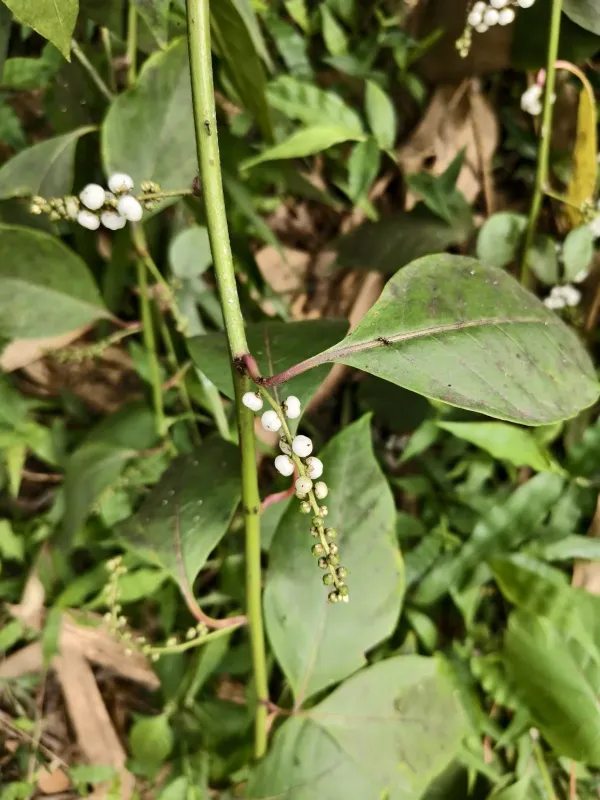
Description
Growing requirements
Deeringia polysperma is a botanical species belonging to the Amaranthaceae family. It is typically characterized as a perennial herbaceous plant or a sprawling subshrub, frequently displaying vining habits as it climbs to reach sunlight in its native environment.
This species is native to the tropical regions of Southeast Asia, including parts of the Philippines and Indonesia. Its distribution is closely linked to moist forest ecosystems, where it thrives in warm, humid conditions beneath the forest canopy.
Successful cultivation requires soil that is rich in organic matter and possesses excellent drainage capabilities. Waterlogging is a significant risk for this species; therefore, a porous growing medium that allows for adequate oxygenation of the root system is essential.
The climate requirements are strictly tropical, demanding constant temperatures typically between 20°C and 30°C. Deeringia polysperma does not possess cold tolerance and will suffer severe damage if exposed to temperatures dropping below 15°C, making it suitable primarily for greenhouses in temperate zones.
In terms of economic and practical utility, the plant is primarily recognized for its ethnobotanical value. Local populations have traditionally utilized its leaves and stems for specific dietary purposes and within local medicinal systems, valuing the plant for its unique biological properties.