
Hard fern
Blechnum spicant (L.) Sm.
Description
Growing requirements
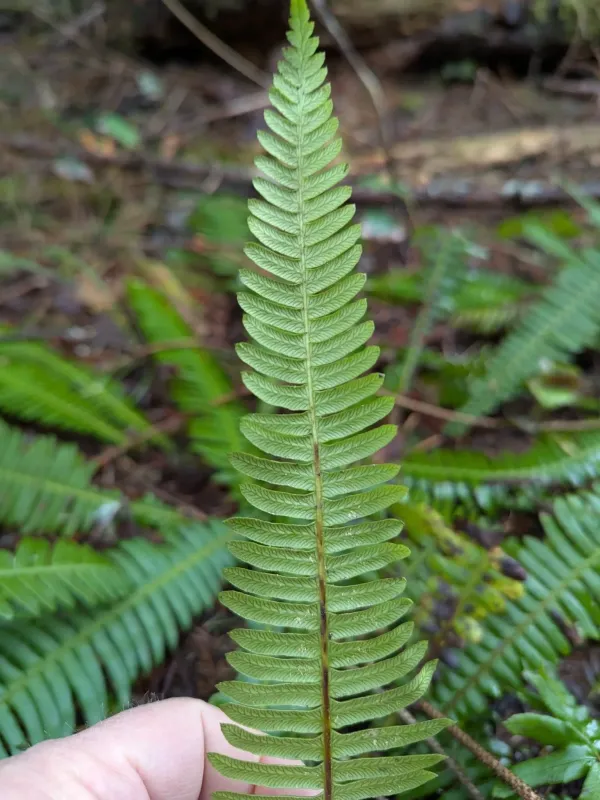
The hard fern (Blechnum spicant) is a species of fern in the family Blechnaceae. It is highly valued for its distinct dimorphic fronds, where sterile, vegetative leaves form a flat rosette and fertile, spore-bearing leaves stand vertically in the center.
Native to temperate regions of the Northern Hemisphere, this plant thrives in moist, shaded environments. In cultivation, it requires a shaded site with high ambient humidity to mimic its natural woodland habitat successfully.
Soil requirements for the hard fern are specific: it demands acidic, humus-rich, and well-draining soil. While the fern appreciates moisture, it is sensitive to waterlogged conditions, which can lead to rapid root decay if drainage is not sufficient.
In terms of climate, the hard fern prefers cool to moderate temperatures and protection from cold, drying winds. While it is hardy in many temperate zones, it benefits from a layer of organic mulch during winter to protect its roots from extreme fluctuations.
The hard fern is widely cultivated for its ornamental properties. It is an ideal choice for shade gardens, woodland plantings, and rock gardens where a lush, textured look is required. Its compact size makes it versatile for various landscape designs.
Main diseases and pests
Common health issues in hard ferns are typically related to fungal infections resulting from overwatering or poor ventilation. These pathogens often manifest as brown patches on the fronds or soft rot at the base of the plant.
Pests such as scale insects and mealybugs can pose a threat, particularly if the plant is grown in sheltered or humid conditions. These insects settle on the undersides of leaves and extract plant sap, weakening the structure of the fern.
Slugs and snails are major pests, especially during wet spring weather when young fronds are emerging. Their feeding can cause unsightly holes and significantly impact the overall visual appeal of the fern during the growing season.
Effective management includes regular monitoring and maintaining good garden hygiene. Clearing debris around the plant reduces hiding spots for mollusks and decreases the likelihood of fungal spores establishing themselves in the damp soil.
Treatment should be timely to prevent widespread damage. When using chemical controls, ensure that the products are suitable for ferns, as some stronger pesticides may cause leaf scorch on delicate fern tissues.