
Poverty oatgrass
Danthonia spicata (L.) P. Beauv. ex Roem. & Schult.
Description
Sowing dates
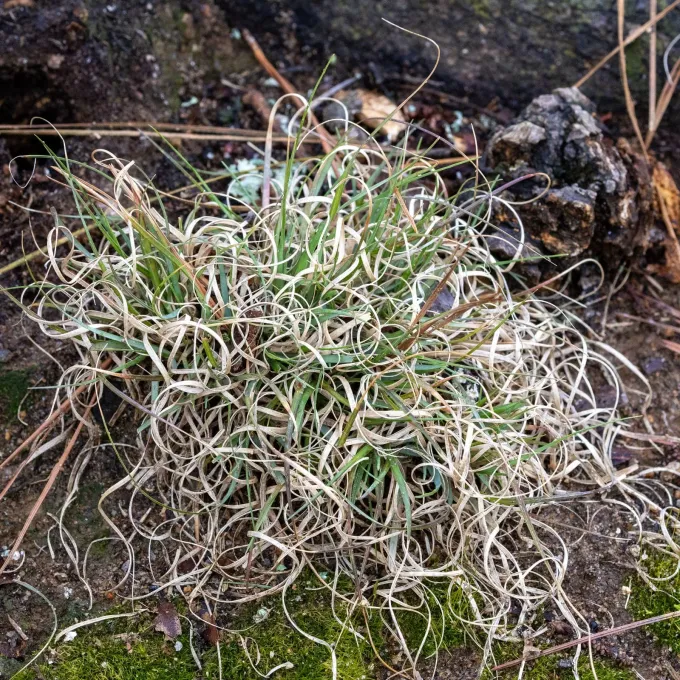
Poverty oatgrass, known botanically as Danthonia spicata, is a perennial bunchgrass belonging to the Poaceae family. Its propagation is primarily achieved through seeds, which exhibit specialized mechanisms such as cleistogamy, ensuring reproductive success even under adverse conditions.
The optimal sowing time is during the early spring or late autumn, allowing the seeds to undergo natural stratification. Due to the very small size of the seeds, shallow sowing at a depth of 0.5 to 1 cm is crucial for achieving high germination rates and preventing desiccation of the embryo.
Preparation of the seedbed involves creating a firm, weed-free environment. Since the early growth rate of Danthonia spicata is slow, it is highly recommended to manage competitive weeds during the establishment phase to ensure the seedlings successfully develop their root systems.
Seeding rates should be adjusted based on the soil conditions. On poor or rocky sites, higher seeding density is recommended to ensure adequate coverage and prevent soil erosion, which is one of the primary ecological roles of this grass.
Once established, the grass forms dense tufts or bunches. Agronomists often include it in native seed mixes intended for range restoration, as its ability to persist in low-nutrient environments is highly valued for long-term land stability.
Growing requirements
Poverty oatgrass is exceptionally well-adapted to nutrient-poor, acidic, and sandy soils. It frequently occupies sites where other, more demanding grass species fail, making it a reliable choice for reclamation of degraded lands and impoverished pastures.
The plant thrives in full sun but possesses a degree of shade tolerance. Its high drought resistance is one of its most critical features, allowing it to maintain green biomass during periods of moisture stress when other forage grasses typically enter dormancy.
Temperature tolerance is a hallmark of this species. It is highly winter-hardy and can withstand significant frost, making it suitable for northern regions and high-altitude pastures where the growing season is short and subject to sudden fluctuations.
In terms of fertilization, this species is efficient at nutrient uptake and does not respond well to high-nitrogen inputs. Excess fertilization can promote competing weeds and reduce the longevity of the Danthonia stand, favoring an extensive management approach.
The soil pH range for poverty oatgrass is broad, though it shows a preference for acidic substrates. Its root architecture is beneficial for soil structure, as it helps bind loose particles and reduces the risk of nutrient leaching in exposed landscapes.
Main diseases and pests
One of the significant advantages of poverty oatgrass is its natural resistance to many common fungal and bacterial diseases. This resilience is largely attributed to its evolutionary development in sparse, low-competition ecosystems where disease spread is naturally limited.
Pests such as aphids or cereal flies are known to inhabit grasslands where Danthonia is present, but they rarely reach economic injury levels on this species. Consequently, the use of insecticides is almost never required in managed stands of this grass.
The primary threat to the stability of Danthonia spicata populations is the encroachment of invasive species. In more fertile soil environments, aggressive plants can outcompete poverty oatgrass for sunlight and moisture, necessitating management intervention.
Overgrazing can weaken the stands, especially during prolonged drought conditions. Proper pasture rotation is essential to allow the plant to recover and maintain its reproductive capacity through seed production, ensuring the continued viability of the range.
Environmental monitoring should focus on weed control and grazing pressure. By maintaining a balance between biomass utilization and plant recovery, agronomists can ensure that poverty oatgrass remains a dominant and productive component of the ecosystem.
Harvesting
Harvesting for forage purposes is primarily conducted via grazing management. As the grass is not intended for intensive high-yield hay production, the focus is on maintaining high nutritional value through controlled livestock access during the growing season.
If seed production is the objective, the harvest should be timed precisely to coincide with the full maturity of the spikelets. Since Danthonia seeds have a tendency to shatter, prompt harvesting is required to maximize yield and prevent losses in the field.
Harvesting equipment should be calibrated to minimize damage to the root crowns, especially on sensitive, thin soils. Modern machinery with height-adjustable headers is preferred to ensure that only the upper portion of the biomass is removed, leaving the base for recovery.
Post-harvest care involves avoiding excessive disturbance of the soil surface. This is particularly important on slopes or areas where soil stability is a concern, as the root structure of poverty oatgrass is vital for maintaining the integrity of the soil profile.
The strategic harvest of biomass helps in clearing dead material and promoting new growth. By following a structured harvest schedule that respects the plant's phenological stages, farmers can maximize the lifespan and utility of their Danthonia-based forage resources.