
Danthonia linkii
Danthonia linkii
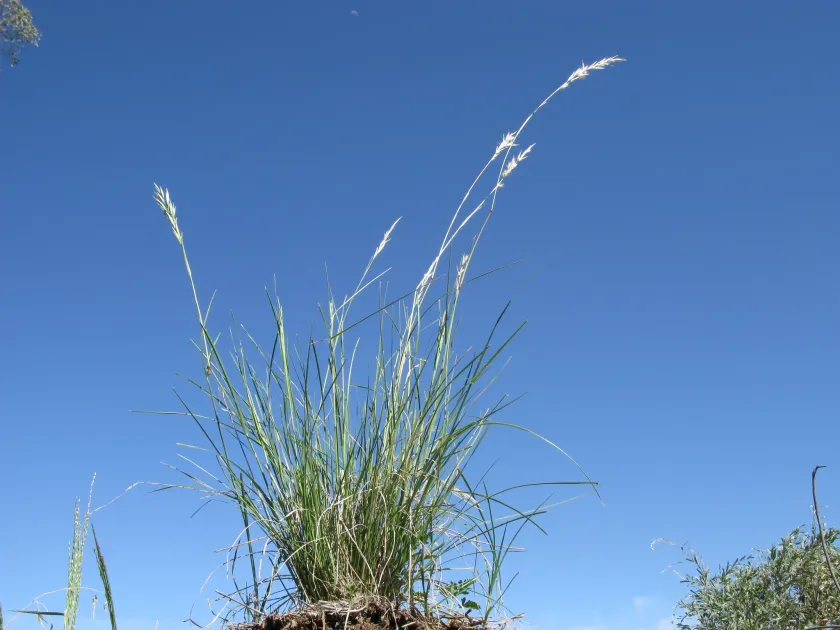
Description
Sowing dates
Danthonia linkii is a perennial grass species that should be sown during the spring months once the soil temperature consistently reaches 10 to 12 degrees Celsius.
The ideal window for establishment is typically between mid-April and early May, providing sufficient time for the plants to root before the peak summer heat occurs.
Preparing a fine and firm seedbed is critical for success, as the small seeds require close contact with moist soil to trigger the germination process.
Sowing depth should be kept shallow, between 1 and 2 centimeters, to ensure the emerging seedlings have enough energy to reach the surface efficiently.
Post-sowing compaction using a roller is a highly recommended practice to prevent desiccation of the seed zone and to encourage uniform seedling emergence.
Growing requirements
As a member of the Poaceae family, Danthonia linkii thrives in open, sunny environments and is sensitive to heavy shade which limits its tillering capacity.
The species demonstrates good adaptation to well-drained loamy soils and prefers a neutral or slightly acidic pH for optimal nutrient uptake and root development.
One of its main agricultural advantages is its tolerance to periodic dry spells, allowing it to maintain growth in areas with variable seasonal rainfall.
Regular fertilization with nitrogen, phosphorus, and potassium is essential to maintain high biomass production, especially during the active growth phases of the year.
Proper pasture management ensures that the soil structure is preserved, as the dense root system of this grass helps to mitigate soil erosion and improve soil health.
Yield
The total yield of Danthonia linkii is heavily dependent on the nutritional status of the field and the frequency of grazing or cutting interventions throughout the season.
Properly managed stands can provide a reliable source of quality forage, contributing significantly to the overall dietary requirements of livestock.
For seed production purposes, the plant requires specific management to ensure high spikelet fertility, as overcrowding can negatively affect the final yield.
The ability of the grass to regrow after harvesting makes it a sustainable choice for rotational grazing systems, provided that recovery periods are strictly followed.
Yield stability is generally high, making this grass a consistent choice for farmers looking for dependable, perennial ground cover in their crop rotation cycles.
Main diseases and pests
The primary threats to Danthonia linkii include fungal pathogens that tend to manifest in humid conditions or areas with poor air circulation between the plant stalks.
Pests such as grass-feeding flies and aphids can inflict damage on young tissue, causing stunted growth and reducing the nutritional value of the foliage.
Integrated pest management strategies should be employed to monitor population levels and apply intervention techniques only when thresholds for damage are surpassed.
Weed competition during the early establishment phase is a significant risk, necessitating the use of mechanical control or selective herbicides to protect the stand.
Regular monitoring and good field hygiene are vital steps in minimizing the risk of widespread disease outbreaks and protecting the overall health of the grassland.
Harvesting
For high-quality hay production, harvesting should be performed during the heading stage when the plant reaches its peak nutritional concentration and protein content.
Seed harvesting must be timed with the physical maturity of the panicles to prevent shattering and to capture the maximum volume of high-quality seed material.
Adjustment of harvesting equipment is necessary to accommodate the fine nature of the seeds and to minimize wastage during the threshing and cleaning process.
After cutting, it is crucial to dry the forage properly in the field to prevent mold and quality degradation while the material is stored in barns or silage pits.
Late-season grazing or mowing should be avoided in the month preceding the first frost, allowing the plants to enter dormancy with sufficient energy reserves for winter.