
Danaea elliptica
Danaea elliptica
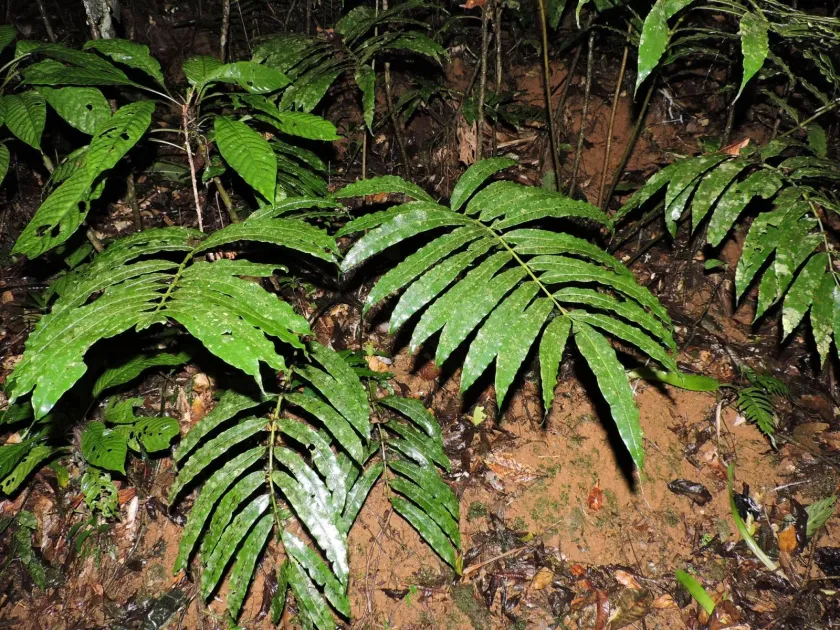
Description
Growing requirements
Danaea elliptica is a perennial evergreen fern belonging to the Marattiaceae family. Originating from the dense tropical forests of Central and South America, this plant is well-adapted to the humid, shaded environments of the rainforest floor.
Botanically, this species is known for its distinct elliptical fronds, which are thick and leathery. These plants possess a rhizomatous root system that requires a stable, consistently moist environment to thrive in both botanical and home garden settings.
The climate requirements for Danaea elliptica are quite specific. It thrives in environments where temperatures remain between 20°C and 25°C. Exposure to direct sunlight must be strictly avoided, as the plant naturally occupies the understory layer where light is heavily filtered.
When selecting a soil medium, gardeners must prioritize aeration and water retention. A blend of peat moss, pine bark, and organic leaf mold provides the necessary structure to support the plant while allowing excess water to drain properly, preventing root asphyxiation.
Hydration management is essential; the soil should be kept damp to the touch but never saturated. Using distilled or filtered water is highly recommended to avoid the buildup of mineral salts, which can negatively impact the delicate leaf structures.
Main diseases and pests
Fungal pathogens pose the most significant threat to Danaea elliptica. Root rot often occurs when drainage is insufficient or when the temperature drops too low while the soil remains wet, creating conditions ripe for opportunistic infection.
Spider mites are the most prevalent pest, particularly in environments where ambient humidity is not strictly maintained. These tiny pests settle on the undersides of the fronds, causing yellowing and eventual necrosis of the leaf tissues.
Scale insects can also infest the stems and midribs of the fronds, sapping the plant of vital nutrients. Manual removal combined with gentle horticultural soap treatments is generally an effective way to manage these infestations without harming the plant.
Nutrient toxicity, often caused by over-fertilization, can cause leaf burn. As a slow-growing fern, Danaea elliptica requires only dilute, balanced fertilizers applied sparingly during the growing season to prevent salt stress.
To ensure long-term health, growers should practice regular sanitation of the environment. Removing dead or dying fronds helps prevent the spread of fungal spores and maintains the overall aesthetic appeal of this unique tropical fern.