
Dactylicapnos torulosa
Dactylicapnos torulosa
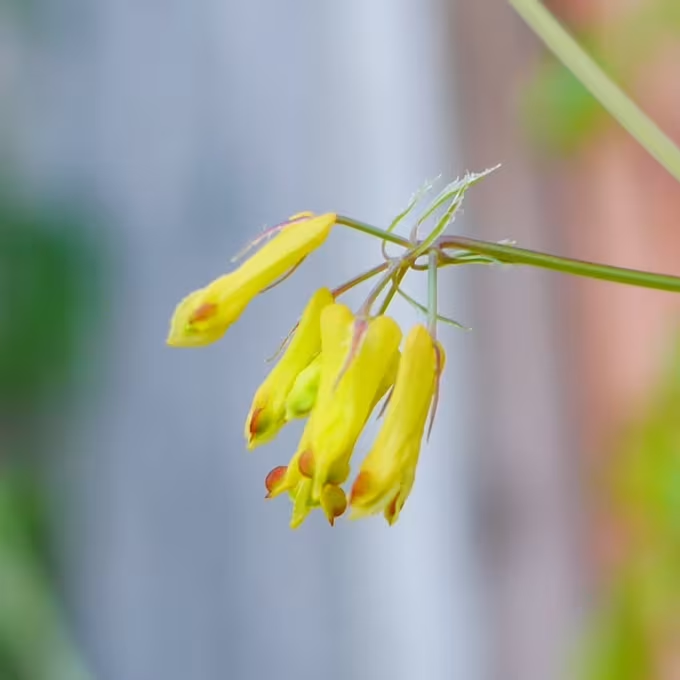
Description
Sowing dates
Sowing Dactylicapnos torulosa seeds is best performed in early spring, as temperatures rise consistently to 15-18 degrees Celsius. Use a lightweight, well-draining seed-starting mix to ensure optimal germination conditions.
Seed stratification is recommended to improve germination rates. Pre-soaking seeds or placing them in a cold environment for a few weeks before sowing can significantly enhance the uniformity of sprout emergence.
Plant the seeds at a shallow depth of no more than one centimeter. Maintaining consistent moisture in the medium is crucial during the early stages of growth, but be careful to avoid waterlogging the soil.
Seedlings should be thinned or transplanted into individual pots once they develop their first set of true leaves. Handle the root system with extreme care, as this species is sensitive to disturbance during the early development phase.
Hardening off the plants before transferring them to their permanent outdoor location is essential. Introduce them to outdoor conditions gradually over a period of seven to ten days to prevent transplant shock.
Growing requirements
As a member of the Papaveraceae family originating from Himalayan regions, this plant thrives in cool, temperate climates. It prefers environments with high humidity but does not handle intense summer heat well.
The ideal soil for this climber is nutrient-rich, humus-based, and possesses excellent drainage. A neutral or slightly acidic pH level helps in the optimal uptake of micronutrients necessary for healthy development.
Positioning is key to successful growth; select a location with dappled shade or protection from the harsh midday sun. Exposure to direct intense sunlight can scorch the delicate foliage and dry out the root zone rapidly.
Regular irrigation is necessary to keep the soil consistently moist but never waterlogged. During periods of low humidity, supplemental misting or providing a mulch layer can help maintain a cooler root environment.
Apply a balanced liquid fertilizer during the peak growing season to support its vigorous vining habit. Avoid high-nitrogen fertilizers late in the season to ensure the plant matures correctly before the winter dormancy period.
Main diseases and pests
The plant can be susceptible to common pests such as aphids and spider mites, especially when grown in environments with poor air circulation. Early detection is vital for effective management.
Fungal issues, such as root rot, often occur if the soil remains excessively wet or lacks proper drainage. Ensuring that the planting site has good soil structure and proper water runoff is the best preventive measure.
Slugs and snails may pose a threat to young seedlings and tender new growth during wet spring months. Physical barriers like copper tape or crushed eggshells around the base can help deter these pests.
In cases of heavy infestation, using organic neem oil or insecticidal soap is recommended. Always treat plants in the early morning or late evening to prevent solar damage to the treated foliage.
Monitoring the undersides of the leaves is a good practice for farmers and gardeners, as many pests tend to hide and reproduce there before causing visible damage to the plant structure.
Harvesting
Harvesting for propagation purposes involves collecting the seed pods as they turn from green to a papery brown color. Collect them just before they dehisce to ensure you do not lose the seeds.
After collection, dry the pods in a shaded, well-ventilated area. Once fully dried, the pods can be carefully opened to release the seeds, which should be stored in a cool, dark environment until the next sowing cycle.
Maintenance pruning at the end of the season involves cutting back the dead vines to the ground level after the first frost. This clears the area and prepares the root system for winter dormancy.
Mulching the base of the plant with organic matter, such as compost or wood chips, provides necessary thermal insulation. This practice is crucial in regions where the soil may freeze deeply during winter months.
While the plant is not typically harvested for commercial consumption, keeping track of seed production is essential for maintaining the population. Proper storage practices guarantee high-quality planting material for subsequent years.