
Dactylicapnos roylei
Dactylicapnos roylei
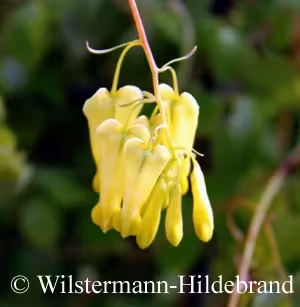
Description
Sowing dates
Sowing seeds of Dactylicapnos roylei is best done in early spring, immediately after the winter dormancy period, or in late autumn in regions with milder climates. The plant requires stratification to improve germination rates, so keeping seeds in cool conditions for several weeks is essential.
Use a light, well-draining substrate rich in organic humus for sowing. Seeds should be distributed across the surface and covered only lightly with soil, as they need access to diffused light to germinate successfully.
The temperature for germination should be kept between 15 and 20 degrees Celsius. It is crucial to avoid drying out the substrate while ensuring there is no water stagnation, which can be fatal for young and tender seedlings.
Pricking out the seedlings is performed once the first pair of true leaves has fully developed. Since the plants are sensitive to root disturbance, it is recommended to transplant them carefully using the transfer method into individual pots until they are ready for the garden.
Planting out into the final garden location should only occur after all risks of late spring frosts have completely passed. Ensure a spacing of at least 40–50 centimeters between plants to accommodate their vigorous vertical growth habit.
Growing requirements
Dactylicapnos roylei, a member of the Papaveraceae family, is a perennial herbaceous vine native to the mountainous regions of the Himalayas. The plant prefers a cool and humid climate, making it ideal for semi-shaded garden areas in warmer regions.
The ideal soil for this species is loose, well-structured, and neutral in pH. Good drainage is a critical requirement for successful growth, as the root system is highly susceptible to waterlogging and subsequent rot issues.
As a climbing vine, this plant requires sturdy supports for optimal development. Its flexible stems need regular training and tying to trellises, nets, or decorative walls to ensure even distribution and maximum light exposure for the foliage.
Consistent watering is necessary, especially during the active growing season. On hot days, the plant benefits from light misting, which helps to increase local humidity and keeps the temperature around the stems at a comfortable level.
Preparing for winter involves mulching the root zone with organic materials such as peat or compost. In regions with severe winters, it is advisable to prune the aerial parts and provide a protective cover of fir branches or horticultural fleece for the rootstock.
Main diseases and pests
The primary threats to Dactylicapnos roylei are snails and slugs, which tend to feed on tender young shoots and leaves during damp weather. Using physical barriers or environmentally friendly bait is recommended to control pest populations.
Improper watering schedules leading to excessive soil moisture can result in root rot diseases. This manifests as wilting of the plant even when the soil appears moist, indicating critical damage to the plant's vascular root system.
Powdery mildew can affect the foliage in areas with poor air circulation and high humidity. To manage fungal outbreaks, use copper- or sulfur-based fungicides and ensure proper plant spacing to improve natural airflow through the vine.
Aphids may occasionally colonize the tips of the shoots, extracting cell sap and causing leaf deformation. For prevention and management, applying insecticidal soaps or systemic insecticides is recommended in cases of heavy infestation.
Root nematodes pose a hidden threat, slowing down growth and diminishing the plant's decorative appeal. Best practices for management include rigorous crop rotation and ensuring only healthy, high-quality plant material is introduced into the garden.