
Dactylanthus taylori
Dactylanthus taylori
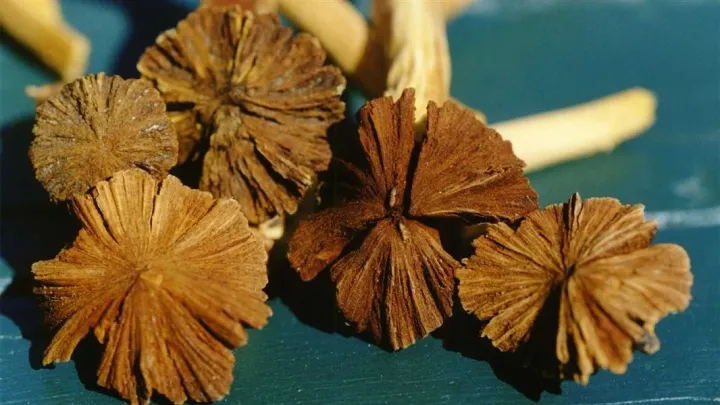
Description
Growing requirements
Dactylanthus taylori, commonly known as the wood rose, is a unique root parasite belonging to the Balanophoraceae family. Lacking chlorophyll, this plant is entirely dependent on its host trees, typically native New Zealand forest species, for survival.
Although it is not a cultivated agricultural crop, the plant holds significant botanical interest. It exists mostly underground, manifesting as woody, rose-like tubers on the roots of host trees, making it difficult to locate except during its brief flowering season.
The habitat requirements for Dactylanthus taylori include undisturbed, high-moisture native forests. It relies on the specific root systems of older trees to thrive, making it an indicator species for the health of mature indigenous forest ecosystems.
Climate stability is essential for the species. It requires consistent humidity levels and high organic content in the soil to support the complex metabolic exchange between the parasite and the host tree roots.
Conservation efforts are heavily focused on protecting the remaining populations. Because the plant cannot be grown as a standard crop, its preservation depends entirely on the protection of old-growth forest habitats where it naturally occurs.
Main diseases and pests
The primary threat to the species is herbivory by introduced pests, particularly rats and possums. These animals consume the plant's flowers and buds, severely limiting its ability to reproduce and leading to rapid population decline in unprotected areas.
Habitat loss due to deforestation and land development remains a critical danger. The removal of mature host trees directly results in the death of the associated Dactylanthus colonies, as they cannot survive independently or relocate to new hosts easily.