
Dacryodes laxa
Dacryodes laxa
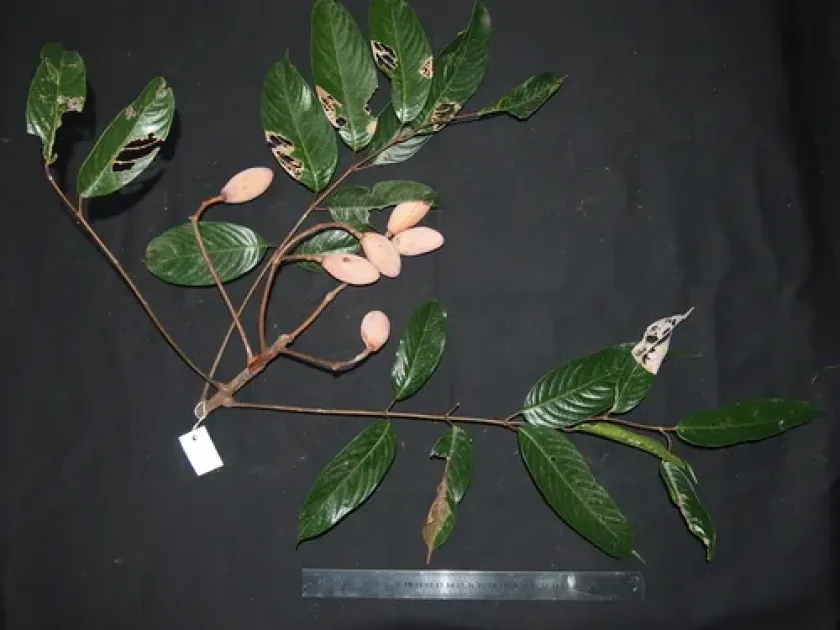
Description
Growing requirements
Dacryodes laxa is a notable tree species belonging to the Burseraceae family, native to the tropical forests of Southeast Asia.
The species thrives in humid tropical environments, requiring consistent precipitation and warm, stable temperatures throughout the year.
It prefers fertile, well-drained, and organic-rich soils that support the development of extensive root systems characteristic of this genus.
The plant demonstrates high adaptability to the microclimatic conditions of the forest understory, where it receives filtered sunlight.
Successful growth relies on maintaining natural soil moisture and protecting the environment from significant hydrological shifts.
Yield
The primary economic value of Dacryodes laxa is derived from its timber, which is utilized for construction and high-quality woodwork.
Resinous extracts from the tree are sometimes utilized in local industries, reflecting the diverse chemical profile of the Burseraceae family.
Yield capacity is relatively slow, given the tree's growth rate in natural forest conditions, favoring long-term conservation management.
Silvicultural efforts are increasingly focused on the sustainable extraction of forest products without degrading the surrounding ecosystem.
Economic output is generally measured by the quality of the harvested wood and its resilience to standard mechanical processing.
Main diseases and pests
Deforestation and the conversion of tropical forest land represent the most significant threats to the survival of Dacryodes laxa populations.
Fungal pathogens pose a risk, particularly in high-humidity environments if the bark or structural parts of the tree are physically damaged.
Wood-boring insects can become a major concern in plantations or forests where tree health is compromised by environmental stress.
Competition from invasive plant species can hinder the establishment of seedlings, limiting natural regeneration in damaged forest areas.
Effective management includes regular monitoring of forest health and the implementation of strategies to prevent pest outbreaks.