
African pear
Dacryodes edulis
Description
Sowing dates
Dacryodes edulis, commonly known as the African pear or bush butter tree, belongs to the Burseraceae family. In its native tropical habitats, seeds germinate naturally during the onset of the rainy season.
For commercial orchard establishment, vegetative propagation through layering or grafting is highly recommended. These methods ensure faster fruit production and maintain the superior genetic traits of the mother tree.
Seeds lose viability rapidly once dried, so fresh seeds should be planted immediately in a well-draining, nutrient-rich potting medium to ensure successful germination.
Young seedlings are sensitive to direct sunlight and wind exposure. It is vital to keep them in a shaded nursery environment until they reach a robust size for field transplantation.
When planting, it is necessary to provide adequate spacing, as these trees can grow to be very large, requiring ample airflow and sunlight to thrive throughout their lifecycle.
Growing requirements
The African pear is best suited for humid tropical climates with temperatures ranging between 20°C and 30°C. It is highly intolerant of frost and prolonged dry spells, which can severely stunt its growth.
While the tree can adapt to various soil types, ranging from clay to sandy loams, it performs best in deep, fertile soils that are well-drained and rich in organic matter.
High annual rainfall is crucial for the tree's health. In regions with a marked dry season, irrigation is necessary to support development, especially during the fruit-set period.
Full sun exposure is preferred for mature trees to maximize productivity. However, younger plants benefit from partial shade to protect them from heat stress during their establishment phase.
Soil pH should ideally be neutral or slightly acidic. Maintaining soil fertility through organic mulching around the base of the tree is a common and effective horticultural practice.
Yield
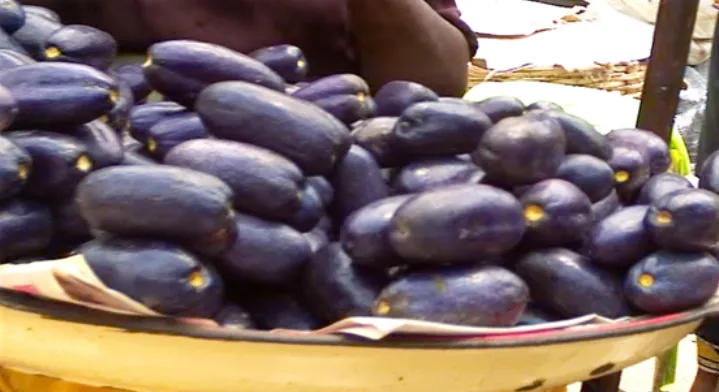
The fruit of Dacryodes edulis is an oblong drupe. The skin color changes from red or pink to deep purple or black upon maturity, indicating that it is ready for harvesting.
Trees grown from seeds typically start bearing fruit between 5 to 7 years, while grafted specimens can produce fruit within 3 to 4 years, significantly improving the economic feasibility of an orchard.
A single mature tree can yield between 50 kg and 150 kg of fruit per season, serving as a vital food security crop in Central and West African countries.
Fruit production is seasonal and usually aligns with the rainy season. Efficient post-harvest handling is necessary due to the relatively short shelf life of the fruit after picking.
Regular pruning of the canopy is essential to optimize fruit production. Removing overcrowded branches improves light penetration, which in turn enhances the overall yield and fruit quality.
Main diseases and pests
Fungal diseases, such as anthracnose and various types of rot, pose a significant threat, especially in humid environments with poor canopy ventilation and stagnant air.
Insect pests, including various beetle species and weevils, can cause substantial damage to both the developing fruit and the tree's woody structures if left unmanaged.
Leaf-eating caterpillars can defoliate young trees, severely hindering their growth. Monitoring nursery stock for signs of infestation is an important part of standard tree care.
Post-harvest mold development is a primary cause of loss. Careful cleaning and, where appropriate, controlled drying are used to mitigate these risks in the supply chain.
- Implementation of integrated pest management strategies.
- Pruning to ensure maximum air circulation.
- Prompt disposal of fallen, decaying fruit to minimize pathogen spread.
Harvesting
Harvesting is typically done manually using long poles or by climbing the trees, as the fruits develop on high branches, making mechanical harvesting difficult.
Picking occurs when the skin turns dark purple. It is critical to harvest the fruit with the pedicel attached to prevent premature spoilage and maintain freshness during transit.
Because the fruits are highly perishable, they must be moved to markets or processing facilities quickly to maintain quality and prevent damage to the oily pulp.
The fruit is rarely consumed raw; it is commonly boiled, roasted over charcoal, or fried. This process softens the pulp and enhances its rich, buttery texture and flavor profile.
Beyond human consumption, the oil extracted from the pulp and seeds is used in the cosmetics industry for skincare products, making it a multi-purpose agricultural commodity.