
Cytinus hypocistis
Cytinus hypocistis
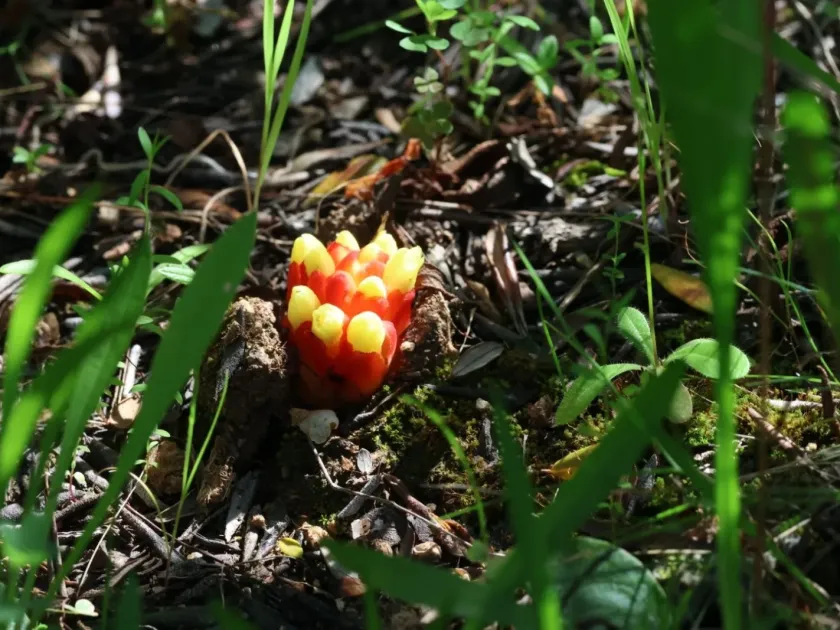
Description
Growing requirements
Cytinus hypocistis is a unique parasitic plant belonging to the Cytinaceae family. It is a root parasite that lacks chlorophyll, meaning it relies entirely on its host, specifically shrubs of the Cistus genus, for nutrients and water.
The plant originates from the Mediterranean basin, stretching across Southern Europe and Northern Africa. It thrives in warm, dry climates and is typically found in scrublands where Cistus species are abundant.
Botanically, it is characterized by its fleshly, brightly colored bracts that emerge from the soil during the flowering season. The bulk of the plant's biomass, including its haustoria, exists underground within the root tissue of the host shrub.
Environmental requirements include well-drained, nutrient-poor, and stony soils typical of maquis shrublands. It is highly sensitive to soil moisture levels and requires the presence of a healthy host plant to complete its life cycle.
Agricultural cultivation of Cytinus hypocistis is not practiced, as it is a specialized wild parasite. Propagation is extremely difficult outside of its natural symbiotic relationship with the host, making it a subject of botanical study rather than field production.
Harvesting
Historically, Cytinus hypocistis has been used in traditional folk medicine. Its high tannin content makes it a potent astringent, traditionally used to treat inflammations and minor hemorrhages.
The harvesting process involves gathering the flowering stalks during the peak bloom period. Harvesters traditionally cut the floral stems carefully to avoid damaging the subterranean haustoria or the host plant's roots.
Post-harvest handling consists of drying the floral parts in a shaded, well-ventilated area. Because the bracts are fleshy and succulent, they require specific drying conditions to prevent decay and loss of bioactive compounds.
The medicinal properties are attributed to its secondary metabolites, including ellagitannins and anthocyanins. Extracts prepared from the dried flowers are used for topical applications, particularly for oral hygiene and wound healing.
Due to its parasitic nature and specialized ecological niche, it is generally discouraged to harvest the plant in protected areas. Sustainable collection practices are essential to ensure the longevity of the population in its native Mediterranean habitats.