
Cyperus hypochlorus
Cyperus hypochlorus
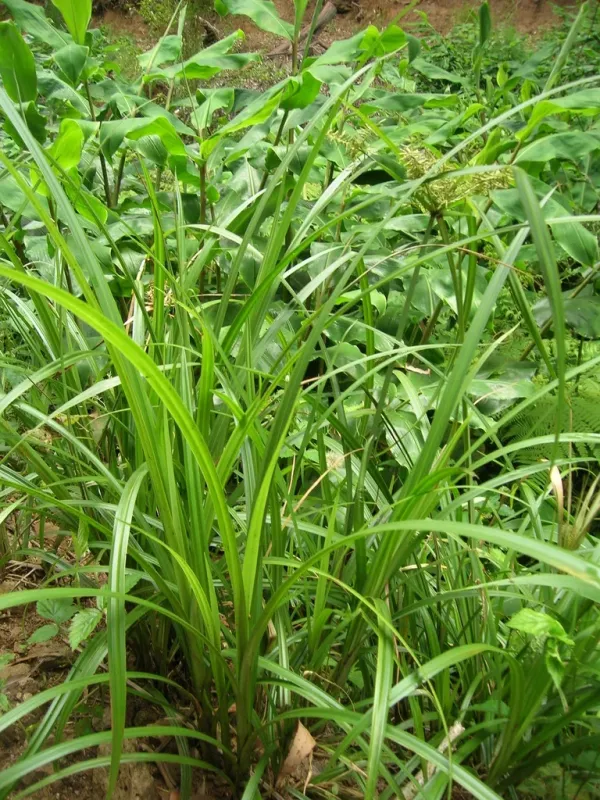
Description
Sowing dates
Sowing Cyperus hypochlorus typically takes place in the spring season, once the soil temperature is consistently above 15 degrees Celsius.
Seeds should be sown on a moist, nutrient-rich substrate, requiring consistent moisture to ensure high germination rates throughout the starting phase.
Shallow sowing is recommended, as the seeds are small and benefit from slight light exposure while being firmly pressed into the growth medium.
Controlled environments or greenhouses are often utilized to extend the growing season, starting the sowing process as early as late winter.
Spacing must be carefully managed to allow for the plant's natural spreading habit, ensuring sufficient airflow between individual clumps for healthy growth.
Growing requirements
As a member of the Cyperaceae family, this species thrives in wetland environments, requiring saturated soil or standing water to reach its full potential.
High levels of soil organic matter and neutral pH are ideal for supporting the rapid development of its fibrous, shallow root system.
The plant requires full sun to partial shade; while it is shade-tolerant, excessive darkness can lead to etiolation and a loss of structural integrity.
Thermal requirements for optimal growth range from 20 to 28 degrees Celsius, though it shows hardiness against mild seasonal temperature fluctuations.
Routine maintenance includes keeping the substrate permanently moist and preventing the soil from drying out, which is critical for long-term health.
Yield
The biomass yield of Cyperus hypochlorus is influenced by the nutrient content of the water and soil, especially regarding nitrogen availability.
High-density plantings under optimal conditions allow for significant green mass production, which can be harvested several times during the growing season.
Yield quality is determined by the robustness of the stems and the overall health of the leaf canopy, which reflects the plant's response to fertilisation.
Biological productivity peaks during the height of the summer, necessitating consistent monitoring to ensure that nutrient levels remain adequate for growth.
Efficient harvesting techniques can maximize the annual output, ensuring that the plant stock remains vigorous and productive for future growth cycles.
Main diseases and pests
Fungal pathogens represent the most significant threat, typically thriving in conditions where standing water lacks proper oxygenation and circulation.
Pests like aphids and spider mites can colonize the plant during dry spells or if grown in indoor settings with low atmospheric humidity.
Root rot is a common issue when water stagnation becomes extreme, leading to the rapid decay of the underground rhizomatous structures.
Mechanical injuries to the stems can act as entry points for pathogens, requiring careful handling during all agronomic practices near the plants.
Proactive management involves removing decaying organic matter and maintaining optimal plant spacing to reduce the risk of systemic disease outbreaks.
Harvesting
Harvesting for ornamental or industrial use should occur towards the end of the vegetative phase to ensure the harvested stems reach maximum maturity.
Manual harvesting with sharp tools is preferred to minimize stress on the root system, preventing the uprooting of the entire plant cluster.
Post-harvest processing involves bundling the stems and drying them in well-ventilated areas to prevent the development of mold or rot during storage.
Proper drying techniques help maintain the natural color and flexibility of the harvested stems, which are essential for quality standards.
Cleaning and trimming the biomass immediately after harvest helps in managing the quality of the raw material for secondary processing applications.