
Cyperus distans
Cyperus distans
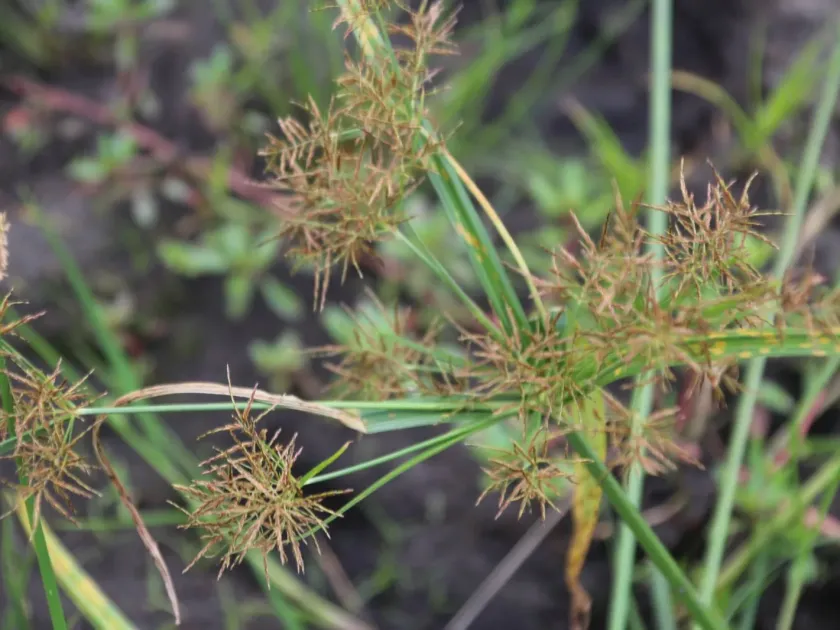
Description
Sowing dates
Cyperus distans is a perennial herbaceous plant belonging to the Cyperaceae family. It is characterized by its slender stems and spreading rhizomes, making it a robust species in tropical environments.
The sowing process typically begins in late spring when soil temperatures stabilize above 20 degrees Celsius. Seeds should be sown shallowly to ensure adequate light exposure for germination.
Propagation via rhizome division is commonly employed in agricultural settings to ensure rapid establishment and uniformity across the field or plantation.
Planting density should be carefully managed, typically maintaining 30-40 cm between plants, to prevent resource competition and ensure vigorous development of individual clones.
The establishment phase requires consistent moisture levels to prevent the drying of young roots, which is critical for the long-term success of the crop.
Growing requirements
The species thrives in moist, well-drained soils, often preferring areas with naturally high water tables or consistent access to surface water sources.
Soil pH should ideally range from neutral to slightly acidic, as the plant is highly sensitive to extreme alkalinity which can hinder nutrient uptake.
Temperature remains the primary environmental driver for this species, with an optimal range between 22 and 30 degrees Celsius for peak metabolic activity.
Fertilization regimes should prioritize organic matter incorporation during pre-planting, supplemented by balanced nitrogen-potassium blends during the active growing season.
Adequate aeration of the soil profile is essential; therefore, regular cultivation of inter-row spaces is recommended to avoid anaerobic conditions near the roots.
Main diseases and pests
Fungal infections, particularly root rot, pose the greatest threat to Cyperus distans crops, especially when irrigation management leads to prolonged waterlogging.
Insect pests such as leaf miners and stem borers can cause significant physiological stress, impacting the plant's ability to store energy in its rhizomes.
Nematode infestations in the soil profile can impair the root system's function, leading to yellowing of the foliage and overall stunted plant height.
Implementing integrated pest management (IPM) strategies, including crop rotation and the use of targeted biopesticides, helps mitigate these threats effectively.
Regular monitoring of canopy density is vital, as overly dense stands provide a microclimate that encourages rapid spore spread and pest colonization.