
Cyanthillium stelluliferum
Cyanthillium stelluliferum
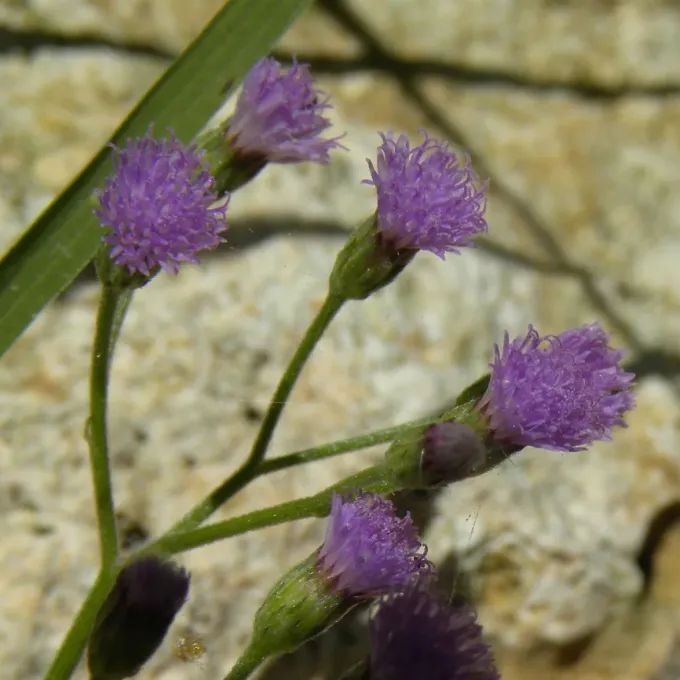
Description
Sowing dates
Cyanthillium stelluliferum, a member of the Asteraceae family, requires careful consideration of timing to ensure successful establishment. Sowing should occur once soil temperatures have consistently risen above the threshold required for germination, typically after the risk of frost has passed.
In temperate climates, the ideal window for planting is late spring. The seeds benefit from shallow sowing, which allows for optimal light exposure and prevents the exhaustion of the seedling's energy reserves before emergence.
For large-scale agricultural production, starting seedlings in a controlled greenhouse environment is often preferred. This approach increases the uniformity of the crop and provides a stronger start before the plants are transplanted into the open field.
Proper spacing is crucial for maximizing yield. Implementing a row-based system with 45–60 centimeters of space between rows allows for adequate air circulation, which reduces the risk of foliar diseases during the rapid growth phase.
Irrigation must be managed closely during the initial sowing phase. Maintaining consistent moisture levels without waterlogging the soil is essential for achieving high germination rates and robust seedling development.
Growing requirements
This crop thrives in light, well-draining soils such as sandy loams. Heavy clay soils should be avoided or amended, as they impede root penetration and may lead to root rot if moisture levels remain high for extended periods.
Cyanthillium stelluliferum is a light-demanding species. Selecting a planting site with full sun exposure is vital, as shading by taller vegetation or trees can significantly decrease biomass production and slow down the plant's metabolic processes.
The plant performs best under moderate temperatures. While it can withstand periods of heat, excessive summer temperatures coupled with drought stress can cause the plant to enter premature senescence, reducing the final harvest yield.
Nutrient management should focus on providing a balanced supply of nitrogen, phosphorus, and potassium. Applying fertilizers during the early vegetative stage supports vigorous growth, while later applications can be adjusted based on soil test results.
Cultivation practices should emphasize weed control. Because the crop can be sensitive to competition in its early stages, regular hoeing or the use of approved herbicides in the rows is necessary to ensure optimal development.
Yield
The yield of Cyanthillium stelluliferum is primarily measured by the total biomass harvested during the peak flowering stage. Proper timing of the harvest is critical to ensure that the plants contain the maximum concentration of active botanical compounds.
Achieving high productivity requires adherence to strict agronomic standards, including regular monitoring of soil fertility and water availability. In well-managed systems, the crop can provide consistent and high-quality biomass suitable for industrial use.
Mechanization of the harvest process is a key factor in improving the profitability of this crop. Utilizing adapted harvesting equipment ensures that the biomass is collected efficiently and with minimal damage to the plant tissue.
Post-harvest quality management is as important as the cultivation itself. Rapid transport and efficient drying methods are essential to maintain the integrity of the plant material and meet industry-specific quality requirements.
Farmers can maximize their return on investment by optimizing the timing of the cut to coincide with peak plant development. This strategic approach ensures the highest value product is sent to processing facilities.
Main diseases and pests
Fungal diseases, particularly those affecting the foliage, are the primary biological threat to this crop. High humidity and poor air circulation within the field are the main drivers of infection, making proper spacing a vital preventative measure.
Root-related issues can occur if drainage is insufficient. Careful soil management and the implementation of crop rotation strategies can help break the cycle of soil-borne pathogens and maintain a healthier growing environment for the plants.
Pest pressure from aphids and other leaf-feeding insects requires constant vigilance. Integrated Pest Management (IPM) techniques, including the use of beneficial insects and targeted biological controls, are recommended to maintain crop health.
Weeds compete for essential nutrients and sunlight, directly reducing the crop's potential yield. An effective weed management strategy, combining mechanical cultivation and cultural practices, is essential for the long-term success of the field.
- Regular field inspections for early signs of disease.
- Selection of resilient varieties with strong natural immunity.
- Strict adherence to sanitation protocols for all harvesting equipment.
Harvesting
Harvesting should be conducted when the crop reaches its peak flowering phase. This is the optimal window where the plant's metabolic output is highest, resulting in the desired chemical profile for downstream applications.
The crop is typically cut using specialized machinery that allows for height adjustment. Leaving a portion of the stem can sometimes encourage secondary growth, potentially allowing for more than one harvest if the season permits.
Immediate post-harvest processing is required to prevent rapid spoilage. The harvested material must be transported to a drying facility as quickly as possible to avoid fermentation and moisture-related damage to the biomass.
Drying is performed in climate-controlled environments. Keeping the temperature stable is crucial, as intense heat can degrade sensitive organic compounds present in the plant material.
Once dried, the product is processed to remove debris and then stored under moisture-proof conditions. Proper packaging ensures the product remains protected until it is sold or moved into a manufacturing stage.