
Cyanthillium patulum
Cyanthillium patulum
Description
Growing requirements
Cyanthillium patulum is a herbaceous species belonging to the Asteraceae family. It is predominantly found in tropical regions, thriving in diverse habitats ranging from open grasslands to forest edges in countries like India and throughout Southeast Asia.
Cultivation of this species requires a warm and humid environment. It is highly sensitive to frost, making it suitable for year-round growth only in tropical or subtropical climates, or as a seasonal crop in greenhouse settings.
The plant performs best in well-draining, nutrient-rich soils. A soil pH ranging between 6.0 and 7.0 is considered optimal for nutrient uptake and root health. Regular moisture is essential, but waterlogging should be strictly avoided to prevent root diseases.
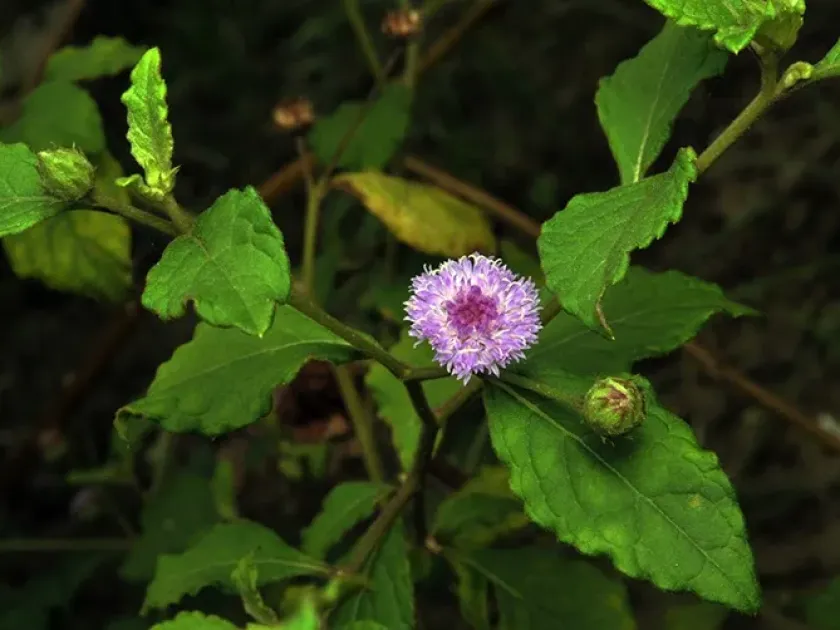
Morphologically, Cyanthillium patulum is characterized by its branching stems and serrated leaves. The flowers are typically arranged in small, dense heads, which is a hallmark feature of the Asteraceae family's capitulum structure.
Economically, the plant is primarily regarded as a source of bioactive compounds. It has a long history of use in ethnobotanical practices for its anti-inflammatory and antiseptic properties, which are now being studied for modern medicinal applications.
Main diseases and pests
The primary threats to crop health include fungal infections such as root rot, which typically occur due to improper drainage and excessive watering. Once established, these pathogens can compromise the structural integrity of the plant.
Pests such as aphids and spider mites are common in greenhouse conditions. They infest the tender parts of the plant, causing chlorosis and stunted growth by depleting the plant's essential nutrients.
Effective pest management involves integrated methods such as physical removal of infested foliage and the use of botanical soaps or natural oils. Chemical pesticides should be used only as a last resort to maintain crop quality.
Good ventilation is key to preventing fungal outbreaks. By maintaining adequate air circulation, the humidity around the foliage remains balanced, making it less favorable for the growth of pathogenic spores.
Strategic monitoring of soil conditions and early intervention against identified threats are crucial steps for farmers to ensure high yields and healthy plant material throughout the growing season.