
Ctenium newtonii
Ctenium newtonii
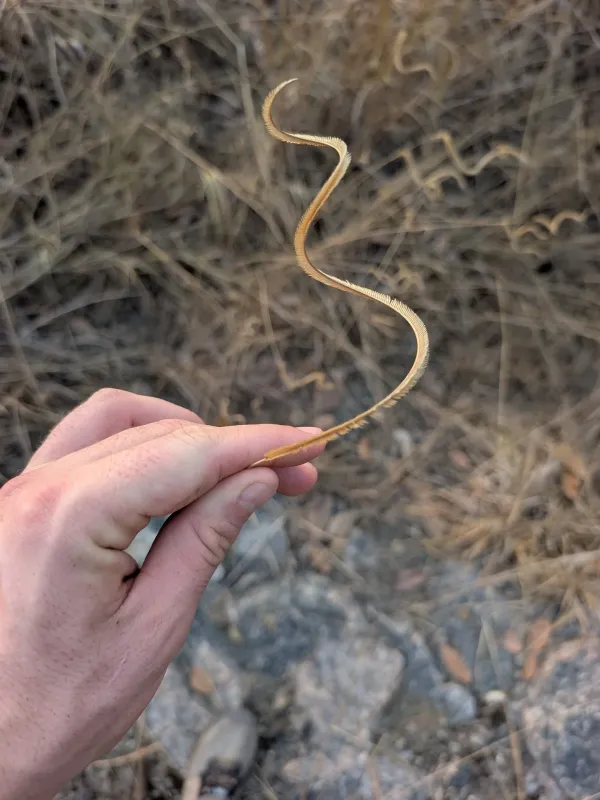
Description
Growing requirements
Ctenium newtonii is a perennial grass species belonging to the Poaceae family. Native to tropical African ecosystems, this plant is well-adapted to the specific environmental conditions of the savanna and woodlands found in regions such as Angola and neighboring countries.
The plant thrives in well-drained, acidic to neutral soils. It demonstrates significant tolerance for sandy substrates that often lack high nutrient concentrations, making it a robust option for landscapes where more demanding agricultural crops would struggle to survive.
Climatic requirements are centered around high solar radiation levels and tropical temperature regimes. While it is naturally drought-tolerant, optimal development for agricultural use requires consistent rainfall patterns during the growing season to maximize biomass production.
Effective agrotechnical management involves careful weed control during the seedling establishment phase. As the grass develops, its dense root system and competitive habit help suppress invasive weeds, establishing a stable and sustainable grassland cover over time.
The grass is primarily utilized as a grazing source for livestock. Its ability to regrow after defoliation makes it a valuable asset for pastoral systems in tropical climates where pasture management is essential for maintaining herd health and productivity.
Yield
Biomass production is steady under managed grazing conditions. Yield levels can be enhanced through the strategic application of phosphorous-based fertilizers, which promote deeper root development and overall plant vigor during the primary growth cycle.