
Elegant Ctenium
Ctenium elegans
Description
Growing requirements
Elegant Ctenium (Ctenium elegans) is a perennial grass species belonging to the Poaceae family. It is native to tropical and subtropical African regions, predominantly thriving in savanna ecosystems where it contributes significantly to the local vegetation structure.
The plant demonstrates remarkable adaptability to various soil types, though it prefers well-drained sandy or loamy textures. Its deep-reaching root system allows it to withstand extended periods of drought, ensuring survival in semi-arid environments where other grass species might fail.
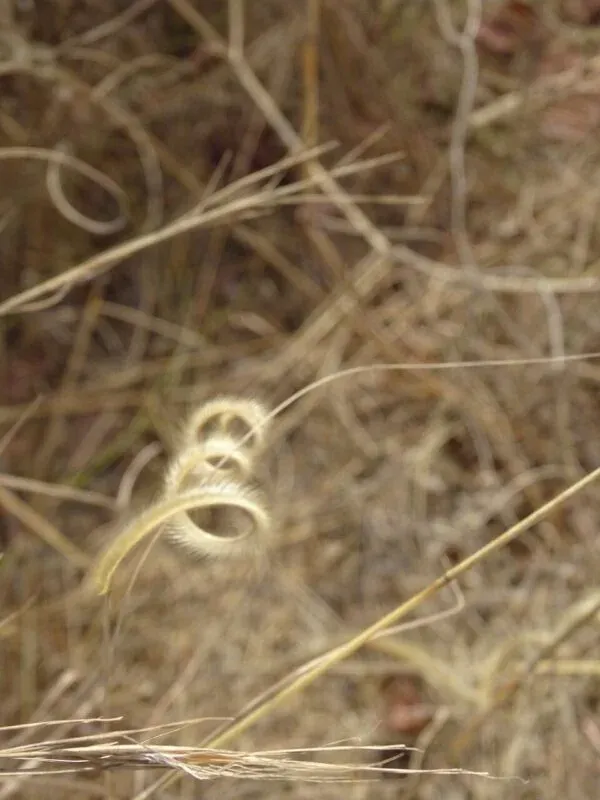
Botanically, the species is identified by its distinctive comb-like, curved inflorescences, from which it derives its common name. The leaves are typically narrow and have a rough texture, which serves as a physiological adaptation to reduce water loss under intense solar radiation.
Optimal growth for Ctenium elegans occurs in warm climates with temperatures ranging between +22°C and +32°C. The species is highly sensitive to frost and cold stress, which restricts its cultivation to tropical and frost-free subtropical geographical zones.
In agricultural practice, this grass is primarily valued as a grazing resource. Due to its palatability during the vegetative stage, it serves as a reliable feed source for livestock, helping to maintain the productivity of pasturelands in challenging environmental conditions.
Main diseases and pests
The main pathological threats to Elegant Ctenium include fungal infections such as rust and powdery mildew, which thrive when humidity levels are high. Proper management of the grazing intensity is crucial to ensure good aeration of the grass canopy.
Various insect pests, including aphids and leaf-eating caterpillars, can impact the vigor of the plant. Monitoring of population density is recommended to prevent significant biomass loss and to ensure the long-term sustainability of the pasture.