
Cryptocarya myrtifolia
Cryptocarya myrtifolia
Description
Growing requirements
Cryptocarya myrtifolia is an evergreen tree species belonging to the Lauraceae family. It is native to tropical rainforest ecosystems, primarily located in Australia, where it thrives in moist and shaded environments.
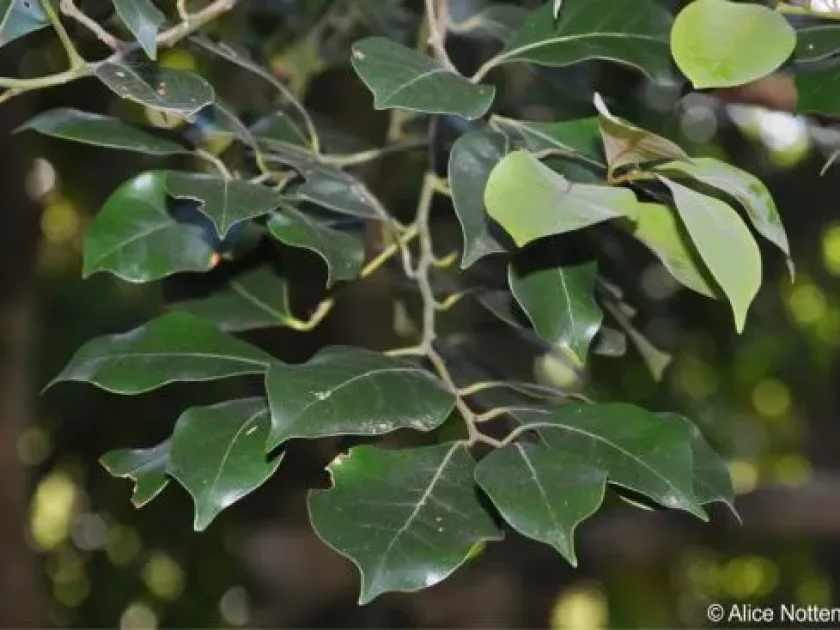
Botanically, the plant is recognized by its dense, myrtle-like glossy leaves and robust woody structure. These trees are typically found in the understory or sub-canopy layers of forests, demonstrating a high tolerance for varying light conditions.
The climate requirements for this species are strictly tropical or subtropical, characterized by consistently high temperatures and significant annual rainfall. Exposure to frost is detrimental to the plant, limiting its successful cultivation to specific geographic zones.
Soil quality is a critical factor for successful growth; the plant requires deep, fertile, and well-drained soils. A pH balance ranging from slightly acidic to neutral is considered ideal for maintaining optimal nutrient uptake.
In terms of agricultural and industrial use, the species is valued for its potential in timber production and essential oil extraction. Furthermore, its aesthetic value makes it a suitable candidate for reforestation and ornamental landscaping in suitable climatic conditions.
Main diseases and pests
The primary threats to Cryptocarya myrtifolia include root rot diseases, often exacerbated by poor soil drainage and high soil moisture levels. These fungal pathogens can quickly compromise the tree's vascular system if not managed through proper irrigation protocols.
Pest pressures are generally related to leaf-feeding insects and scale insects that can weaken younger specimens. Regular monitoring of the foliage canopy is essential to detect early infestations before they spread across the plantation.
Preventative management involves ensuring adequate airflow within the tree canopy and maintaining optimal spacing between trees. This cultural practice significantly reduces the microclimatic conditions favored by harmful fungi.
Integrated pest management (IPM) strategies for this crop prioritize biological control agents and sustainable agricultural practices. Chemical interventions should be used sparingly and only under strict adherence to safety guidelines.
Maintaining tree vigor through balanced nutrient management and consistent monitoring is the most effective defense against both biological threats and environmental stressors.