
Crypteronia borneensis
Crypteronia borneensis
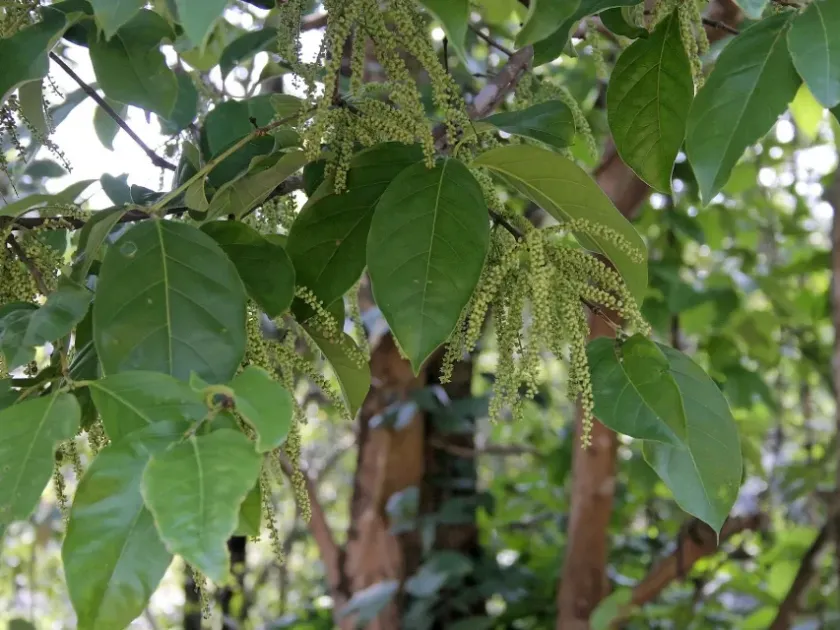
Description
Growing requirements
Crypteronia borneensis is a fast-growing tree species belonging to the Crypteroniaceae family. It is native to the tropical rainforests of Southeast Asia, specifically prevalent in the regions of Borneo, Sumatra, and the Malay Peninsula.
The plant thrives in humid tropical climates characterized by consistent temperatures and high annual rainfall. It is typically found in lowland dipterocarp forests where soil conditions are moist and nutrient-rich, often on alluvial deposits or well-drained slopes.
Agronomically, the tree requires significant space to develop its canopy. Light intensity is a critical factor during the initial stages of growth, although it shows tolerance to the competition usually found in secondary forest successions.
Soil management for this culture involves ensuring adequate aeration to support the root system, which is vital for the tree's rapid biomass accumulation. The species exhibits an opportunistic growth habit, making it suitable for reforestation projects in degraded tropical areas.
Economically, Crypteronia borneensis is valued for its wood, which is utilized locally in construction and light carpentry. Beyond its timber potential, it serves as a key species for restoring canopy cover and protecting forest soil from erosion.
Main diseases and pests
Pathogenic fungi are the primary threat to the health of Crypteronia borneensis stands, especially in high-humidity environments where airflow is restricted. These pathogens can cause leaf spots and premature defoliation.
Insect pests, such as wood-boring beetles and defoliating larvae, pose a significant risk to younger trees. Monitoring for signs of boring activity is essential to maintain the structural integrity of the main stem.
Root system vulnerability to soil-borne pathogens is increased by poor drainage. Establishing plantations in sites with natural drainage or creating artificial channels is a common preventive measure in sustainable forestry.
Competitive invasion by fast-growing weeds and invasive vines can suppress young seedlings. Mechanical weeding and clearing the area around the base of the trees are necessary during the first few years of establishment.
Sanitation practices, including the removal and destruction of infected wood, are crucial to prevent the spread of diseases within the plantation, ensuring the long-term productivity of the tree stand.