
Cryptanthus fosterianus
Cryptanthus fosterianus L. B. Sm.
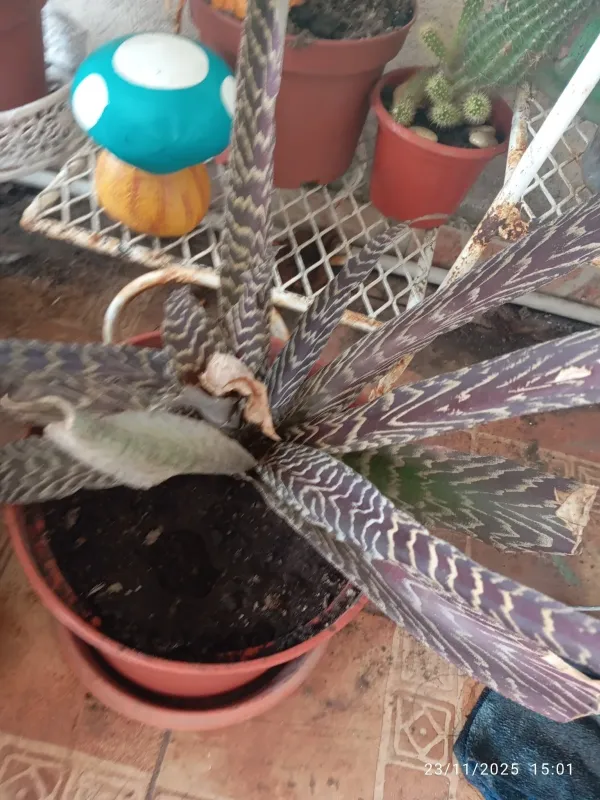
Description
Growing requirements
Cryptanthus fosterianus is a fascinating perennial herb belonging to the Bromeliaceae family. Unlike many other bromeliads, this species is strictly terrestrial and is highly valued for its striking, wavy-edged, and patterned foliage.
Originating from the tropical regions of Brazil, this plant thrives in the shade of forest understories. In agricultural settings, it requires moderate, filtered light to prevent leaf scorching while maintaining the intensity of its decorative colors.
The substrate must be well-draining, loose, and slightly acidic. A mixture of peat moss, pine bark, perlite, and coarse sand provides the necessary aeration and moisture retention that this plant demands for healthy root development.
Cultural practices include maintaining temperatures between 20°C and 25°C and ensuring high ambient humidity. Unlike epiphytic bromeliads, this plant absorbs most of its moisture through its root system, so consistent but cautious watering is required.
The primary use of Cryptanthus fosterianus is ornamental. It is a staple in exotic plant collections, indoor plant displays, and terrarium setups due to its unique architectural shape and low-profile growth habit.
Main diseases and pests
The most common pests affecting this culture include spider mites, which thrive in low-humidity environments, and mealybugs. Integrated pest management using systemic insecticides is recommended to keep infestations under control.
Root rot is the most significant pathological threat to Cryptanthus fosterianus. It is almost exclusively caused by poor drainage or overwatering. Using a porous clay pot with excellent drainage holes is highly advised.
Fungal diseases can develop if air circulation is insufficient. To mitigate this risk, it is important to keep the foliage clean and provide regular ventilation, ensuring that water does not remain trapped in the leaf axils for extended periods.
Exposure to cold drafts can cause severe physiological stress, leading to leaf drop or susceptibility to opportunistic pathogens. Keeping the environment stable is essential for preventing these types of disorders.
Regular maintenance should include inspecting the base of the plant where the leaves meet the roots. Maintaining a clean growing environment significantly reduces the potential for pest and disease outbreaks.