
Cryptanthus bivittatus
Cryptanthus bivittatus (Hook.) Regel
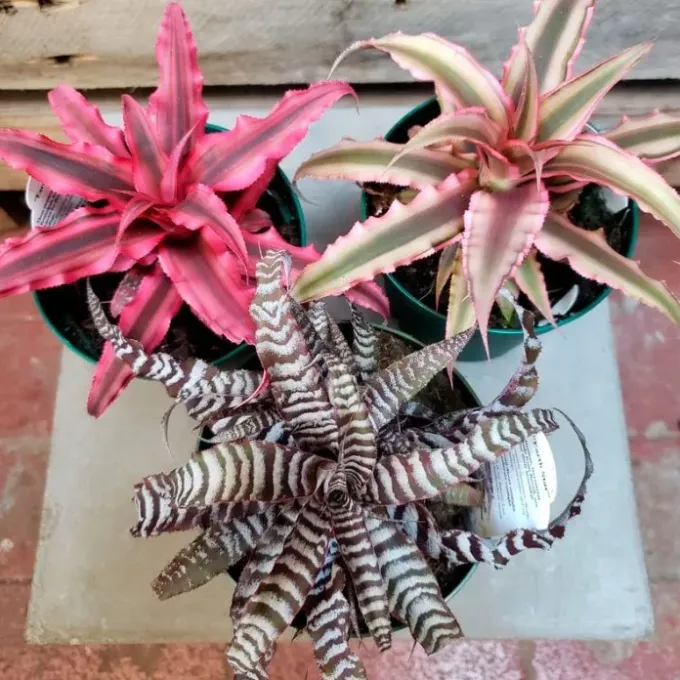
Description
Growing requirements
Cryptanthus bivittatus is a perennial herbaceous plant belonging to the Bromeliaceae family. Unlike many epiphytic bromeliads, this species is terrestrial, which is a vital factor for its cultivation success.
Originating from the tropical forests of Brazil, the plant thrives in warm and humid environments. It requires a stable temperature range between 20°C and 25°C to maintain vigorous growth.
Regarding light requirements, this plant prefers bright, indirect light. Excessive exposure to direct sunlight can damage the leaves, while insufficient light leads to the loss of their vibrant, striped coloration.
The ideal potting medium should be well-draining, loose, and slightly acidic. A mix consisting of peat moss, pine bark, and perlite provides the necessary aeration and moisture retention for the root system.
Watering should be done with caution, allowing the top layer of the soil to dry out slightly between waterings. Maintaining high ambient humidity is crucial for the health of the foliage, especially in indoor environments.
Main diseases and pests
The most common pests affecting Cryptanthus bivittatus are scale insects and mealybugs. These pests frequently hide in the leaf axils, making regular visual inspection a mandatory procedure.
Root rot and crown rot represent the primary pathological threats, usually caused by poor drainage or water accumulating within the central leaf rosette for too long.
To combat infestations, horticultural oils or systemic insecticides are recommended, ensuring that the treatment covers both sides of the leaves where pests typically reside.
Maintaining proper hygiene by removing dead plant material and ensuring good airflow around the plant significantly reduces the risk of fungal outbreaks.
By monitoring the plant's growth pattern and leaf health, producers can prevent large-scale pest outbreaks and ensure the ornamental value of the crop remains high.