
Crudia scortechinii
Crudia scortechinii
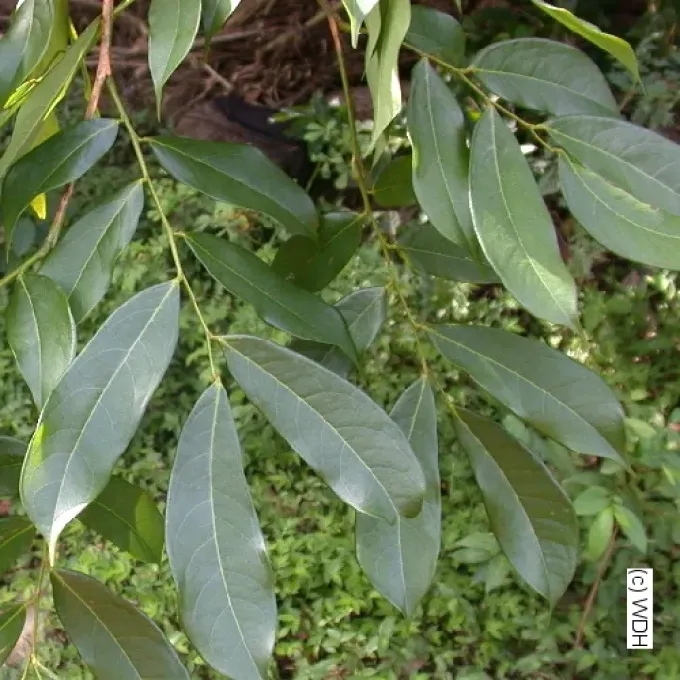
Description
Growing requirements
Crudia scortechinii is a rare tropical tree species belonging to the Fabaceae (legume) family. Native to the dense, humid rainforests of Southeast Asia, specifically the Malay Peninsula, it is highly adapted to tropical equatorial climates characterized by high temperatures and consistent rainfall.
The plant thrives in stable environmental conditions where there is minimal seasonal temperature variation. It requires a high level of atmospheric humidity to maintain its vital biological processes, making it a specialized species that does not tolerate environmental extremes or drastic changes in humidity levels.
In terms of soil requirements, this species prefers deep, nutrient-rich substrates that are high in organic matter. Proper drainage is essential to prevent root rot, yet the soil must be capable of retaining enough moisture to sustain the tree during the infrequent periods of reduced precipitation.
The botanical structure of Crudia scortechinii contributes significantly to the architecture of the tropical forest canopy. As a perennial woody plant, it plays a key role in the ecosystem, offering structural support and habitat for numerous forest-dwelling organisms and epiphytic flora.
Cultivation and conservation efforts are currently limited to academic and specialized botanical research. Propagation requires a deep understanding of its symbiotic relationship with the local soil microbiome, which is often crucial for the establishment of healthy saplings in a nursery setting.
Main diseases and pests
The primary threat to Crudia scortechinii is the ongoing destruction of its natural rainforest habitat. Large-scale deforestation for land development and industrial agriculture has led to a fragmented distribution, making natural pollination and regeneration increasingly difficult.
The tree is susceptible to various wood-boring insects and pests that target the inner bark and sapwood. These pests can cause severe damage, especially to younger specimens, leading to structural instability and increased susceptibility to secondary infections.
Fungal pathogens represent a significant risk, particularly in high-humidity environments where poor ventilation can promote the rapid spread of spores. These diseases often affect the foliage and terminal shoots, requiring active monitoring and periodic sanitary pruning to maintain tree health.
Invasive plant species often outcompete Crudia scortechinii for light and soil nutrients in disturbed forest areas. The lack of natural shade in degraded habitats further stresses the trees, making them less resilient to seasonal climatic fluctuations.
Effective management requires a proactive approach to pest control and habitat restoration. By fostering stable forest conditions and limiting human intrusion in the core areas of its range, the long-term survival of this species can be significantly improved.