
Crudia curtisii
Crudia curtisii
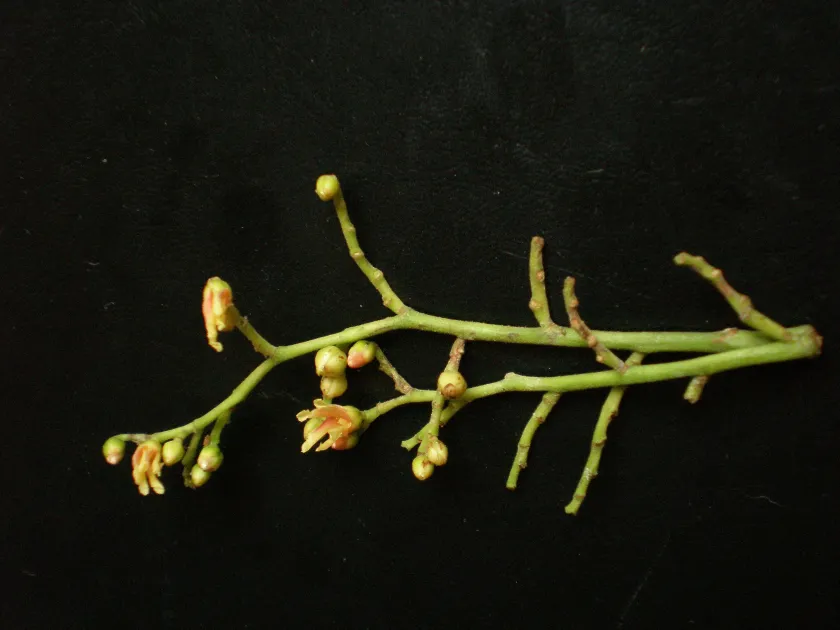
Description
Growing requirements
Crudia curtisii is a tropical tree species belonging to the legume family, Fabaceae. It is native to the lowland rainforests of Southeast Asia, specifically found in regions such as Malaysia.
This species thrives in high-humidity environments and requires consistent, warm temperatures throughout the year to maintain its active vegetative growth cycle.
The tree prefers deep, well-draining alluvial soils often situated along riverbanks, which provide the necessary nutrients and water table levels for its robust root system.
In terms of light exposure, Crudia curtisii generally favors full sunlight for maturity but is capable of surviving in the shaded understory during its early seedling stages.
Effective management of this tree requires ensuring the soil structure remains aerated, as excessive waterlogging can inhibit root respiration and lead to long-term health decline.
Main diseases and pests
The primary threat to Crudia curtisii is the rapid loss of its natural habitat due to deforestation and the conversion of land into commercial agricultural plantations.
Several types of tropical insects and borers present a threat by feeding on the leaves and inner bark of the tree, potentially weakening the vascular structure.
Fungal infections, particularly those causing root rot, are common in areas where drainage is insufficient, posing a significant risk to the longevity of individual trees.
Competition from fast-growing invasive plant species often suppresses the growth of young Crudia curtisii saplings, preventing natural regeneration in the wild.
Conservation efforts are currently focused on protecting existing forest stands and studying the specific nutritional needs of this plant to ensure its survival in managed forestry settings.