
Crownvetch
Coronilla varia L.
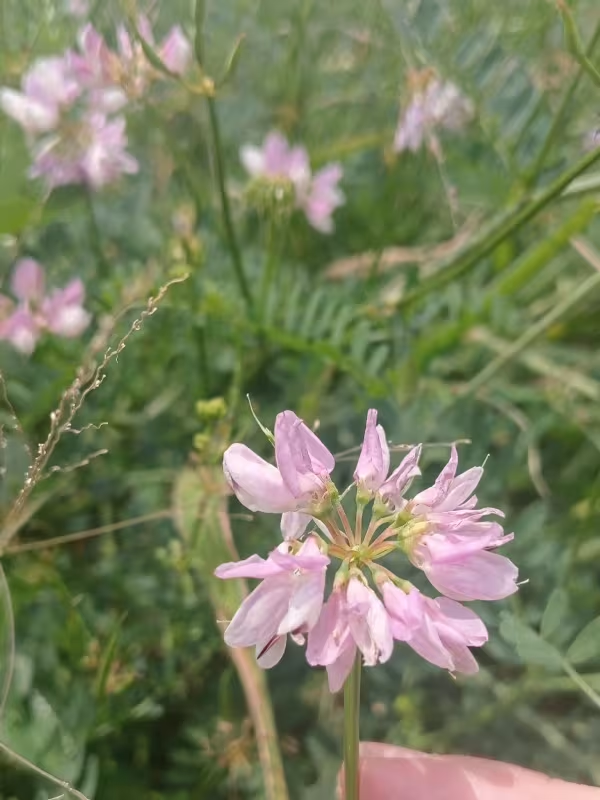
Description
Sowing dates
Crownvetch is typically sown in early spring when the soil starts to warm up, ensuring enough moisture for successful germination. Late autumn sowing is also a viable option, allowing the seeds to undergo natural winter stratification for better spring emergence.
The seeds of crownvetch have a hard coat that inhibits germination; therefore, scarification is a crucial preparatory step. This mechanical or chemical treatment helps water absorption and significantly improves the overall stand density.
The recommended seeding rate is approximately 10–15 kg per hectare for agricultural purposes. Seeds should be planted at a shallow depth of 1–2 cm to ensure they can push through the soil surface without exhausting their stored energy reserves.
For optimal establishment, inoculating the seeds with specific nitrogen-fixing bacteria is highly recommended. This practice ensures that the plants can efficiently fix atmospheric nitrogen, reducing the need for chemical fertilizers.
During the first year, crownvetch exhibits slow vegetative growth as it focuses on developing a robust root system. Keeping the field free of weeds during this initial phase is essential to prevent competition and ensure a long-lasting, healthy crop.
Growing requirements
Crownvetch is renowned for its remarkable adaptability to various soil types, including poor, rocky, and highly eroded soils. Its deep root system makes it an excellent choice for stabilizing slopes and preventing soil erosion in challenging environments.
The plant is highly winter-hardy and exhibits significant drought tolerance once established. It can withstand a wide range of temperatures, making it a reliable perennial cover crop in many different geographical regions.
While it thrives in sunny locations, it can tolerate partial shade, although its vegetative growth is most vigorous in full sun. Crownvetch prefers neutral to slightly alkaline soil pH but demonstrates plastic responses to various soil conditions.
Proper drainage is essential for successful cultivation, as crownvetch does not tolerate waterlogged soils for extended periods. Wet conditions can lead to root rot and decrease the longevity of the plant stand.
Due to its nitrogen-fixing capabilities, crownvetch significantly improves soil fertility over time. This makes it a valuable component in crop rotation systems, leaving the soil enriched for subsequent agricultural plantings.
Yield
The forage yield of crownvetch can reach 20–30 metric tons of green mass per hectare under ideal growing conditions. The productivity remains stable over many years, as the plant spreads through an extensive rhizome system.
Crownvetch typically provides 2–3 cuttings per season, offering a consistent source of quality forage for livestock. The nutritional profile is similar to other high-quality legumes, providing essential proteins and minerals.
Seed yields are typically around 300–500 kg per hectare. Harvesting should be carefully timed to match the peak maturity of the pods to avoid excessive seed shattering, which is a common characteristic of this species.
The longevity of a crownvetch stand is one of its primary economic benefits, as it can persist and produce for over a decade with minimal maintenance. This reduces the costs associated with regular field re-seeding and land preparation.
Total annual production depends heavily on environmental factors and management practices, such as timely mowing and fertilization. With proper care, it remains a highly productive perennial legume for forage and soil conservation.
Main diseases and pests
Crownvetch is naturally resistant to many common legume diseases, which minimizes the need for chemical disease management. However, in extremely humid conditions, some foliar fungal diseases like powdery mildew may occasionally occur.
Pest pressure is generally low, although clover root curculio and other small beetles can sometimes cause damage to the roots or leaves. Monitoring is advisable during the early stages of growth when the plant is most vulnerable.
Aphids might colonize the tender tips of the stems during dry weather, potentially stunting growth if infestations become severe. Integrated pest management techniques are usually sufficient to control these minor occurrences.
Root rot is the most common issue associated with poor management, particularly when the crop is planted in poorly drained, heavy clay soils. Ensuring proper site selection is the best preventative strategy against such problems.
Due to its dense growth habit, crownvetch is an excellent competitor against weeds. Once established, it creates a thick mat that suppresses most invasive species, further reducing the need for intensive herbicide applications.
Harvesting
Forage harvesting should occur at the full bloom stage to capture the highest nutritional value. Cutting at this time ensures the best balance between total dry matter production and protein content for animal feed.
Using mower-conditioners is highly recommended for crownvetch to facilitate uniform drying of the stems and leaves. Proper hay curing is essential to maintain the quality and prevent the growth of mold during storage.
Seed harvesting requires a two-step process: mowing the plants into windrows and allowing them to dry before combining. This technique significantly reduces seed loss caused by shattering as the pods ripen unevenly.
Post-harvest cleaning and drying to a moisture content of 12–14% are critical for the long-term viability of the seed. Proper storage in cool, dry, and well-ventilated areas preserves seed germination rates for the following season.
Regular inspection of stored seeds for signs of heat or moisture accumulation is necessary to maintain quality. Careful handling throughout the harvest process ensures that the high potential of crownvetch seeds is preserved.