
Coronilla scorpioides
Coronilla scorpioides (L.) W. D. J. Koch
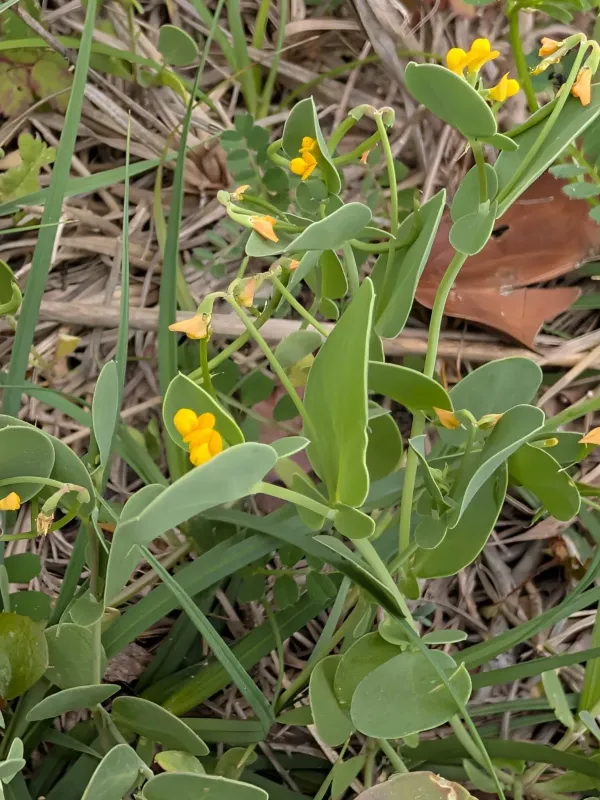
Description
Sowing dates
Coronilla scorpioides is an annual plant that requires sowing during the early spring season. The process should begin once the soil temperature consistently reaches 8–10 degrees Celsius to ensure steady germination.
Row seeding is the recommended method for this crop, with optimal row spacing between 15 and 30 centimeters. This arrangement provides adequate space for light penetration and air circulation throughout the crop canopy.
Seeds should be placed at a depth of 2–3 centimeters. Proper soil compaction after sowing helps maintain moisture contact with the seeds, which is essential for uniform emergence in drier regions.
Seedbed preparation is critical and should involve fine cultivation to break down soil clods. A uniform seedbed minimizes the risk of uneven crop growth and simplifies subsequent mechanical operations.
Early planting is highly encouraged to maximize the utilization of seasonal rainfall. This ensures the crop establishes a robust root system before the onset of high summer temperatures.
Growing requirements
As a member of the Fabaceae family, Coronilla scorpioides is remarkably adaptable to various soil types. It thrives in calcareous, rocky, and low-fertility soils where more demanding crops often fail to establish.
The plant exhibits excellent drought tolerance, making it an ideal candidate for cultivation in arid or semi-arid climates. Its taproot system allows it to access deep soil moisture during dry spells.
It prefers full sun exposure to maintain high photosynthetic activity and healthy vegetative growth. Shaded areas significantly reduce the plant's yield and vigor, making open fields the preferred choice.
Neutral to slightly alkaline soils are optimal for this species. If soil testing reveals high acidity, liming is required to improve growing conditions and facilitate nutrient uptake.
Nitrogen fixation is a key benefit of this crop, facilitated by a symbiotic relationship with specific soil bacteria. Inoculating seeds before planting is recommended to ensure successful nodulation in new fields.
Yield
The yield of green biomass for Coronilla scorpioides typically ranges from 8 to 12 tons per hectare depending on rainfall and soil management. It is often harvested as a high-protein forage component.
The crop serves as a green manure, contributing significantly to soil organic matter and nitrogen content. This makes it an excellent choice for improving soil health in sustainable crop rotations.
Seed production ranges between 500 and 1000 kilograms per hectare. Harvesting must be timed precisely to avoid seed shattering, as the pods can open easily once they are fully ripe.
Yields are maximized by supplying adequate phosphorus and potassium. While nitrogen fertilizer is generally not required, small amounts can be used at the very beginning of the season to support seedling growth.
Field maintenance, specifically weed control during the first month, is the most important factor for achieving high yields. Weed-free conditions allow the crop to cover the soil quickly and effectively.
Main diseases and pests
Fungal diseases like powdery mildew and various root rots pose a threat in high-humidity environments. Implementing proper crop rotation prevents the buildup of these pathogens in the soil.
Insect pests, including weevils and aphids, may attack the plant during its vegetative stage. Regular scouting is necessary to identify infestations early and prevent economic damage to the crop.
Weeds are the primary competitor during the early development stage. If not controlled, they can easily outcompete the young plants, leading to severe thinning of the stand.
Waterlogging in fields causes significant stress and promotes bacterial infections. Ensuring good soil drainage is essential to protect the crop from root-related health issues.
Integrated pest management strategies should be applied to maintain ecological balance. Avoiding continuous cropping in the same field helps break the life cycle of specialized pests and soil-borne diseases.