
Crowea saligna
Crowea saligna Andrews
Description
Growing requirements
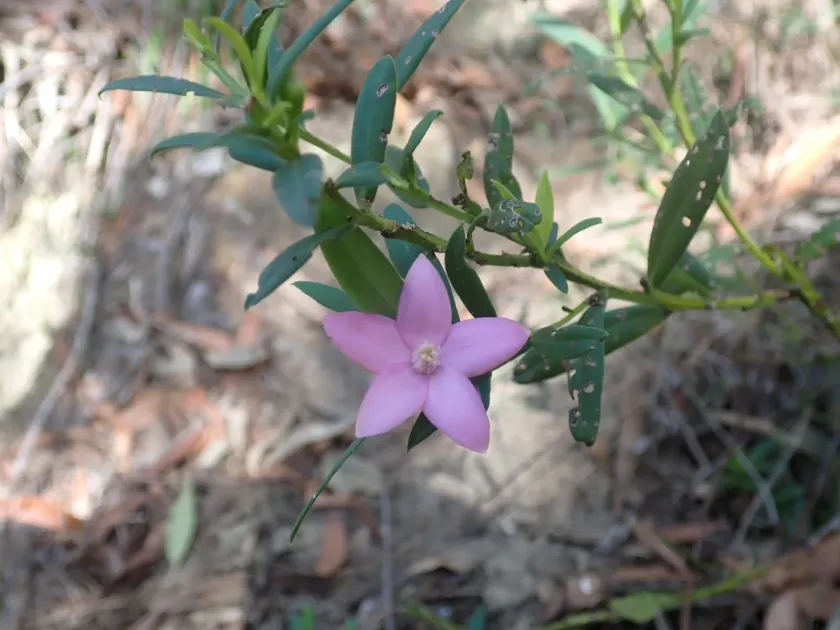
Crowea saligna is an evergreen shrub belonging to the family Rutaceae, naturally occurring in the coastal regions of New South Wales, Australia. It is highly valued for its elegant, star-shaped pink flowers and glossy, lance-shaped foliage.
The plant thrives in well-drained, acidic to neutral soil types, preferring substrates rich in organic matter. Proper drainage is the most critical factor in its successful cultivation to prevent root rot, which occurs readily in waterlogged conditions.
It requires a mild, temperate climate and is sensitive to frost, which limits its outdoor cultivation to protected sites or greenhouses in colder zones. The ideal temperature range for year-round growth is between 18 and 24 degrees Celsius.
Light requirements are best met with bright, filtered sunlight. Exposure to harsh afternoon sun can lead to leaf scorch, while extremely low light conditions often result in poor flowering and leggy plant structure.
Maintenance involves routine watering with soft, lime-free water. Fertilizer applications should be sparing, using low-phosphorus formulas specifically designed for native Australian plants to avoid nutrient toxicity in the sensitive root system.
Main diseases and pests
Root rot is the most significant pathological threat to Crowea saligna, generally triggered by overwatering and poor air circulation around the root zone. Managing irrigation and ensuring porous potting media are the primary methods for mitigation.
Spider mites are the most prevalent pest, particularly in environments with low humidity. These pests damage foliage by extracting sap, which leads to mottled leaves and eventually plant decline if left unchecked.
Scale insects and mealybugs can also infest the stems and undersides of leaves. Early detection via routine scouting and the application of horticultural oils or insecticidal soap are recommended control measures.
Fungal leaf spot diseases can occur during prolonged periods of high humidity and poor ventilation. Keeping the canopy clean and ensuring adequate spacing between plants significantly reduces the risk of infection.
Integrated pest management, including maintaining plant vigor through proper nutrition and avoiding environmental stress, remains the best strategy for protecting the shrub from common biotic threats.