
Crowea exalata
Crowea exalata F. Muell.
Description
Growing requirements
Crowea exalata is a member of the Rutaceae family, native to the diverse landscapes of Australia. It is a hardy, evergreen shrub valued for its graceful habit and consistent flowering performance.
The plant thrives in well-drained, slightly acidic soils. It is particularly sensitive to high phosphorus levels, which requires specific nutrient management to prevent toxic buildup in the root zone.
Climatically, it prefers mild conditions with partial shade or filtered light. While it shows moderate drought tolerance once established, it needs consistent moisture during active growth phases.
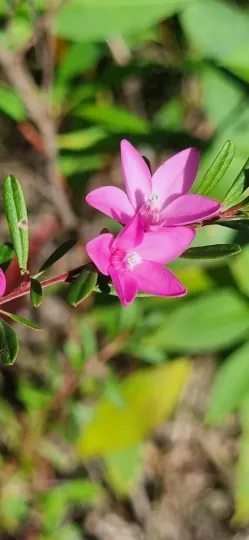
Botanically, it features narrow, aromatic foliage and vibrant star-shaped flowers. Its compact growth habit makes it an excellent choice for ornamental borders and container gardens.
Cultural practices include light pruning after flowering to maintain a dense, bushy shape. Mulching is recommended to keep the root system cool and maintain soil structure.
Main diseases and pests
Root rot is the most common agronomic threat to Crowea exalata, primarily caused by waterlogged soil conditions or inadequate drainage in the planting site.
Pest pressure is usually manageable, but the plant can be susceptible to common pests such as scale insects, mealybugs, and spider mites, especially in greenhouse environments.
Preventive measures include ensuring high airflow and avoiding overhead irrigation, which can create favorable conditions for fungal pathogens on the leaves.
Early intervention with horticultural oils or systemic insecticides is advised if pest populations exceed economic thresholds in a nursery or garden setting.
Regular inspection of the plant's structure helps identify signs of distress or decay early, ensuring long-term health and vitality of the ornamental crop.