
Cremnophila linguifolia
Cremnophila linguifolia
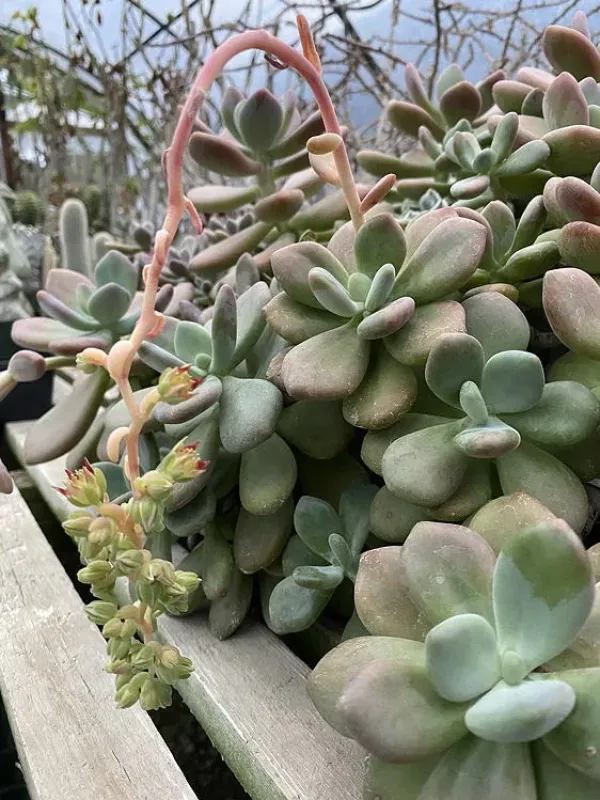
Description
Growing requirements
Cremnophila linguifolia is a fascinating succulent species belonging to the Crassulaceae family. Native to the rocky habitats of Mexico, this plant has evolved to thrive in environments with limited resources and high solar exposure.
This species is highly prized for its unique succulent foliage arranged in tight, compact rosettes. It requires a significant amount of bright, direct sunlight to maintain its structural integrity and intense coloration; low light will cause the plant to etiolate quickly.
The substrate must be highly porous and inorganic-leaning. A specialized succulent mix comprising pumice, volcanic rock, and coarse sand is recommended to ensure rapid drainage, which is crucial for preventing root suffocation.
Temperature management is key, with a requirement for warm days and cooler nights. During winter, the plant enters a dormant phase where it prefers lower temperatures and extremely limited irrigation to simulate its natural cycle.
The primary use of this crop is aesthetic, serving as a standout specimen in succulent collections or xeriscaping projects. Its ability to grow in shallow containers makes it an ideal choice for vertical gardens and rock-inspired arrangements.
Main diseases and pests
The most significant threat to the health of this succulent is waterlogging, which invariably leads to root and stem rot. These fungal pathogens propagate rapidly in humid, stagnant conditions, often resulting in sudden plant death.
Pest infestations such as mealybugs and spider mites are common in indoor settings, particularly during dry winter months. These insects nest deep within the rosettes, making them difficult to detect until they cause significant foliage damage.
Cultural control is the first line of defense: ensuring high airflow around the plants and maintaining strict irrigation intervals prevents most issues. If pests are detected, systemic insecticides are effective, provided they are applied with caution to avoid damaging the waxy leaf coating.
Fungal issues are best managed through preventative measures. If rot is detected, the affected tissue must be surgically removed with a sterile blade, and the remaining healthy parts should be allowed to callous before replanting.
Regular sanitation, including the removal of dead or decaying lower leaves, helps prevent fungal growth and pest nesting. By maintaining an environment that mimics the plant's natural arid habitat, growers can minimize these threats and ensure longevity.