
Couroupita nicaraguarensis
Couroupita nicaraguarensis
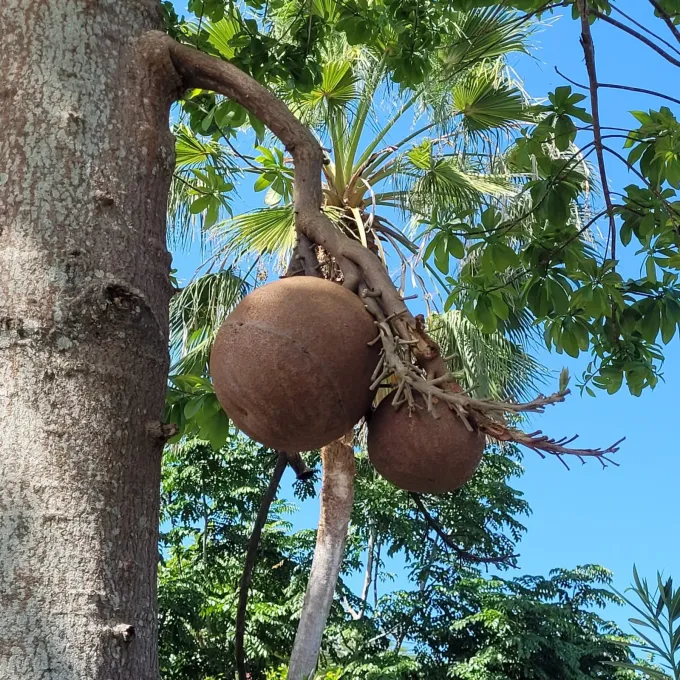
Description
Growing requirements
Couroupita nicaraguarensis is a remarkable tree species belonging to the Lecythidaceae family, primarily native to the tropical regions of Central America. It is recognized for its unique cauliflory, where large, fragrant flowers sprout directly from the trunk.
This crop demands a hot and humid tropical climate for optimal development. It is highly intolerant to cold temperatures and frost, restricting its range to environments that maintain warmth throughout the entire year.
For successful cultivation, the tree requires deep, fertile soil with excellent drainage capabilities. While it appreciates moisture, waterlogged soils are detrimental to its health, potentially leading to root decay and decreased plant vigor.
Agronomic management involves spacing the trees properly to ensure sufficient airflow and light penetration. Regular monitoring of the soil moisture levels and providing balanced organic nutrition are vital for sustained healthy growth.
In addition to its ecological role, the plant is valued for its unique botanical features in tropical landscape design. It needs a sheltered location to protect its delicate flower structures from excessive mechanical damage caused by strong winds.
Main diseases and pests
Fungal pathogens represent the primary threat to this species, particularly when soil moisture levels are not properly regulated. Good drainage and hygiene are essential to prevent the onset of root and stem rot diseases.
Pests such as scale insects and aphids are common concerns, particularly when the tree is grown in less-than-ideal conditions or in restricted spaces where air circulation is limited.
Protecting the trunk from physical damage is essential, as the flowering process occurs directly on the bark. Any lesions can become entry points for harmful bacteria or fungal infections.
Weed control around the base of young saplings is necessary to prevent competition for nutrients and water, which ensures a more robust establishment phase for the trees.
Effective pest management should prioritize integrated practices, including careful inspection and selective use of pesticides, to maintain the health of the tree while supporting local pollinators.