
Tree Turmeric
Coscinium fenestratum
Description
Growing requirements
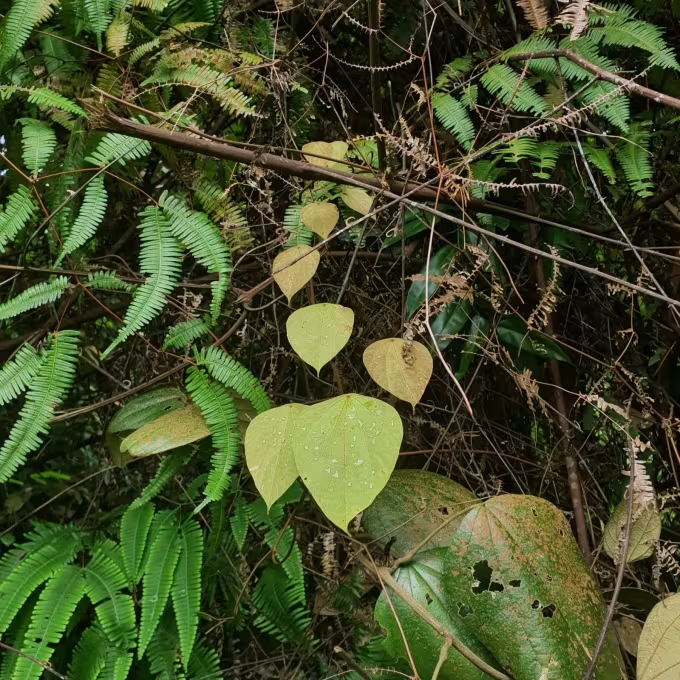
Tree Turmeric (Coscinium fenestratum) is a woody climbing vine belonging to the Menispermaceae family. Native to the dense tropical forests of South and Southeast Asia, this plant is traditionally prized for its medicinal properties and unique botanical characteristics.
This crop thrives in hot, humid tropical climates where temperatures remain consistently high. It requires a balanced environment with significant rainfall, as the plant cannot tolerate prolonged drought conditions during its active growth phases.
Soil requirements for this species include fertile, well-draining substrates rich in organic matter. A neutral to slightly acidic soil profile is ideal for maintaining the nutrient uptake necessary for the synthesis of bioactive alkaloids.
Proper agronomic management involves the installation of vertical trellises or supporting structures. As a climbing plant, it requires access to diffuse light, meaning that intercropping with larger trees or artificial shading systems is often beneficial.
The plant is globally recognized for its stems and roots, which contain high concentrations of berberine. This alkaloid has extensive applications in pharmacology, particularly in the production of anti-inflammatory and antimicrobial medications.
Main diseases and pests
The most common biological threats to Tree Turmeric include fungal pathogens that exploit the humid conditions to cause leaf spot diseases, which can significantly reduce the overall yield.
Pests such as mealybugs and scale insects represent a persistent challenge, as they infest the woody stems and tender shoots, draining the plant of essential nutrients and weakening its vitality.
Poor drainage or waterlogging, especially during monsoon seasons, leads to root rot pathogens. This is a critical issue that necessitates advanced field preparation and soil moisture monitoring.
Due to the plant's medicinal value, wild populations have been over-harvested, making sustainable cultivation strategies essential to protecting the species and ensuring a consistent supply chain.
Integrated pest management (IPM) is strongly recommended for commercial growers to avoid the use of harsh synthetic pesticides, which could interfere with the purity of the medicinal alkaloids produced.