
Coscinium blumeanum
Coscinium blumeanum
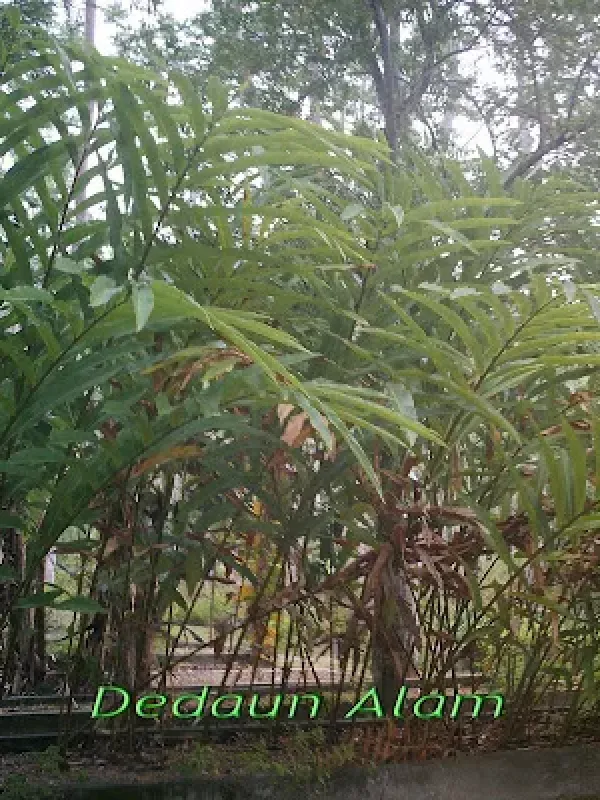
Description
Growing requirements
Coscinium blumeanum is a woody vine belonging to the Menispermaceae family. This species is native to the tropical rainforests of Southeast Asia, thriving in dense, humid environments.
The plant requires high humidity and consistent tropical temperatures to grow successfully. As a climber, it naturally relies on larger trees to reach the canopy, showing a strong affinity for vertical growth in its native habitat.
For cultivation, the soil must be rich in organic matter and well-draining. Waterlogging is detrimental to its root system, so a loose, humus-rich substrate with a neutral to slightly acidic pH level is recommended.
The plant does not tolerate frost or cold climates. Successful agricultural management requires controlled greenhouse conditions if the crop is moved outside of its native tropical zones.
Its primary economic importance lies in the pharmaceutical industry. The stems contain significant concentrations of alkaloids, such as berberine, which are highly valued for their antibacterial and anti-inflammatory properties.
Main diseases and pests
The primary threat to Coscinium blumeanum is the destruction of its natural habitat through deforestation. Overharvesting for traditional medicine also places significant pressure on existing wild populations.
In cultivation, the species is susceptible to fungal pathogens that thrive in high-humidity conditions. Maintaining proper spacing and airflow between plants is essential for preventing the spread of diseases.
Pests such as mealybugs and aphids can pose a problem by attacking young shoots. Integrated pest management strategies are often required to maintain the quality and purity of the harvested raw material.
Root rot is a common issue if soil moisture is not carefully managed. Proper drainage monitoring is the most effective way to avoid this problem in intensive farming settings.
Sanitation practices, including the removal of dead leaves and stems, are vital to preventing infections. Regular monitoring ensures that any disease outbreaks are detected early, protecting the overall yield.