
Corynopuntia emoryi
Corynopuntia emoryi
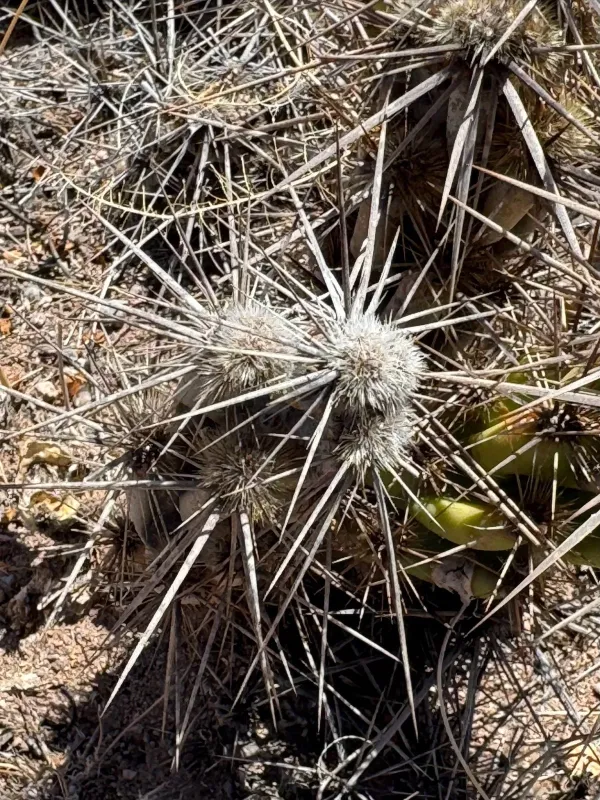
Description
Growing requirements
Corynopuntia emoryi is a distinct member of the Cactaceae family, known for its sprawling habit and robust spination. Originating from the arid landscapes of the Southwestern United States and Mexico, this species is highly adapted to intense environmental stress.
Proper cultivation requires full exposure to direct sunlight. Without high light intensity, the plant will fail to thrive, manifesting in etiolated growth and a lack of the dense, defensive spines characteristic of the species in its natural habitat.
The soil must be inorganic, sandy, and extremely fast-draining. Cultivators should utilize a mix heavy in pumice, perlite, and coarse granite to ensure that moisture does not remain around the root collar, which is a common site for fungal issues.
Watering protocols must reflect the natural desert cycle. During the active growing season, water should be applied thoroughly but only when the soil has dried out completely. During winter dormancy, the plant should remain almost entirely dry.
Temperature control is essential for successful maintenance. While the plant can tolerate significant heat, it requires a dry cooling period during the winter months to reset its metabolic processes and prepare for the next growth cycle.
Main diseases and pests
Root rot is the most frequent cause of failure in Corynopuntia emoryi cultivation. This is almost invariably caused by excessive organic content in the soil or poor drainage, leading to asphyxiation of the root system.
Mealybugs pose a significant challenge, often hiding deep between the segments of the plant. Their presence is marked by fine white cottony deposits, which weaken the plant and can attract secondary fungal infections.
Spider mites can become a nuisance in poorly ventilated greenhouse environments, particularly during dry spells. They damage the epidermis, leading to corking and a permanent loss of the plant's natural aesthetic appeal.
Preventive measures include maintaining low humidity around the stems and ensuring that the plant is not overcrowded, which facilitates airflow and keeps the epidermis dry and healthy.
When infestation occurs, prompt application of appropriate pesticides is necessary. Care must be taken to choose products that do not leave residue on the epidermis or induce burning under high-intensity UV exposure.