
Corynopuntia clavata
Corynopuntia clavata
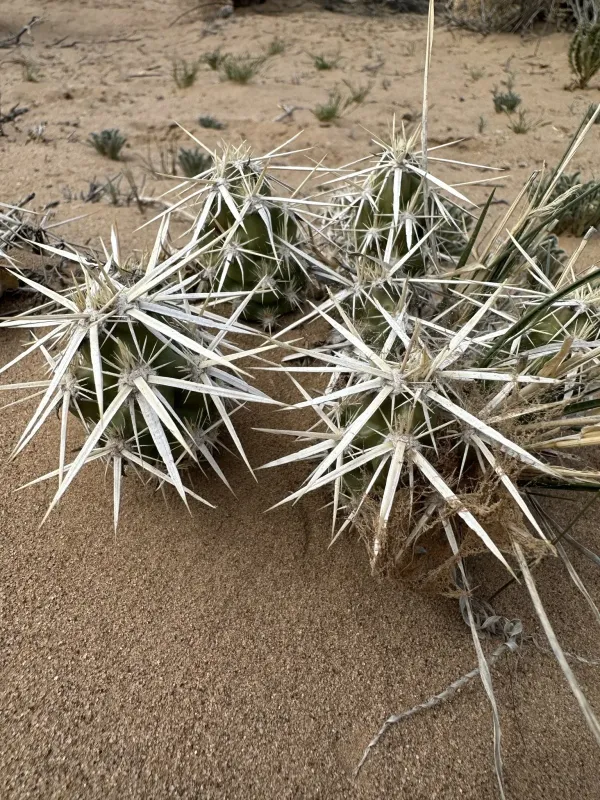
Description
Sowing dates
Propagation of Corynopuntia clavata is primarily achieved through stem cuttings. The process should ideally take place during the active growing season, from late spring through mid-summer, to ensure rapid root establishment.
After detaching the segments, it is crucial to allow the wound to air-dry in a shaded, ventilated area for several days. This forms a callous layer that effectively protects the plant from soil-borne pathogens.
The rooting medium must be strictly inorganic or low-organic, composed of grit, coarse sand, and perlite. A well-draining environment is essential to prevent the segments from rotting before they produce new roots.
Seed propagation is possible but slow, requiring constant warmth between 20-25 degrees Celsius. Seeds should be sown in a sterile, fine-textured substrate, keeping it slightly moist until germination occurs.
Once established, the young plants should be kept in a bright, sheltered environment. Transitioning them to full sun should be gradual to avoid tissue burning during the delicate adaptation phase.
Growing requirements
As a member of the Cactaceae family, this species is native to the desert regions of New Mexico. It thrives in environments with high solar radiation and requires maximum sun exposure for healthy growth.
The soil requirements are strict: the substrate must be highly porous and inorganic. A mixture of gravel, volcanic rock, and sand ensures that water flows through the root zone without causing stagnation.
Climatic adaptation involves a distinct dormant period during winter. The plant requires cool temperatures ranging from 5 to 10 degrees Celsius and absolute dryness to withstand potential frost conditions.
Watering must follow the soak-and-dry method. During the peak of the growing season, water should be applied deeply but only when the substrate is completely dry to the touch to prevent root decay.
Adequate ventilation is critical for this species. Stagnant air combined with moisture can lead to fungal outbreaks, so ensuring good airflow around the plant is vital for long-term health.
Main diseases and pests
Fungal rots remain the primary threat to Corynopuntia clavata, particularly when soil drainage is insufficient. Symptoms often include localized softening and discoloration, necessitating immediate removal of the affected area.
Mealybugs are common pests that hide within the dense spine clusters. Regular inspection and localized treatment with systemic insecticides are effective ways to manage infestations.
Spider mites can become problematic during hot, dry weather. They feed on the plant's epidermis, causing unsightly scarring and loss of vigor if left unchecked.
Scale insects may also attack mature stems. These can be removed manually or treated with horticultural oils, provided they are applied during cooler hours to prevent chemical damage.
- Maintaining strict hygiene in the cultivation area
- Providing ample space between individual plants
- Using systemic treatments as a preventative measure