
Corryocactus brevistylus
Corryocactus brevistylus
Description
Growing requirements
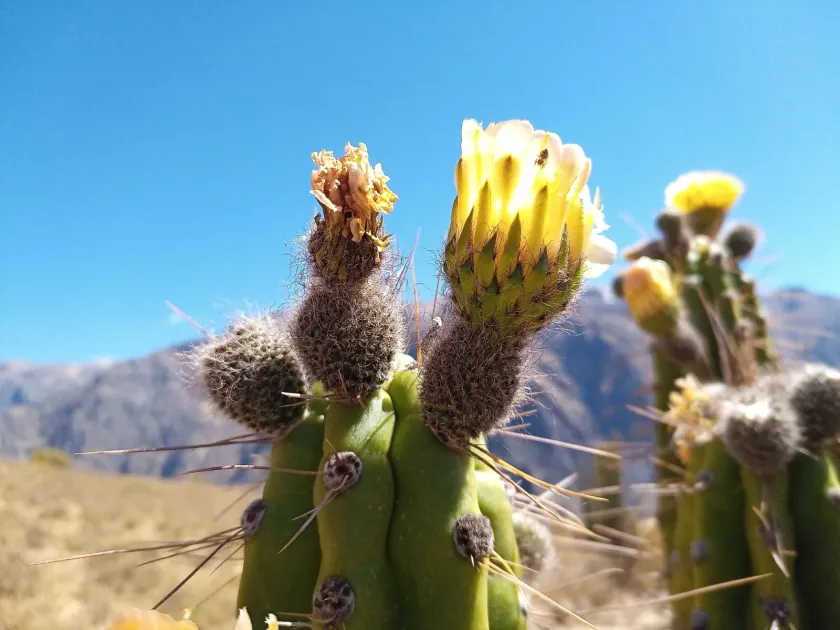
Corryocactus brevistylus is a prominent member of the Cactaceae family, known for its columnar habit and architectural beauty. This species is native to the arid high-altitude regions of the Andes, specifically in Peru and Chile, where it thrives in harsh environments.
The plant is highly adapted to extreme temperature fluctuations and requires well-draining, mineral-rich soil to replicate its natural rocky habitat. Cultivators must ensure the substrate is composed mostly of gravel and sand to prevent root rot.
Exposure to full, direct sunlight is critical for the development of healthy spines and robust stem tissue. Without adequate light intensity, the plant becomes etiolated and vulnerable to physiological disorders.
During the growing season, watering should be performed with caution, allowing the substrate to dry out completely between irrigations. A dry winter dormancy period is essential for the physiological cycle of this plant.
Environmental conditions in cultivation should prioritize low humidity levels. Proper airflow around the plant is vital to mimic the breezy mountain conditions and to prevent the colonization of pathogenic fungi.
Main diseases and pests
The primary agricultural threat to this crop is stem and root rot, which are triggered by water stagnation in poorly drained soil. Phytosanitary measures, including strict water management, are the first line of defense.
Common pests include mealybugs and spider mites, which congregate in the crevices of the spines and apex. Regular inspections and the application of appropriate acaricides or insecticides are necessary to maintain crop vigor.
Harvesting
The fruit of Corryocactus brevistylus holds significant local importance as a food source in the Andean region. Harvesting typically involves carefully removing the mature fruits once they exhibit the desired color and softness.
These fruits are often harvested by local farmers for fresh consumption or local market trade, playing a role in regional food security and agricultural traditions of high-altitude zones.