
Cordia goeldiana
Cordia goeldiana Huber
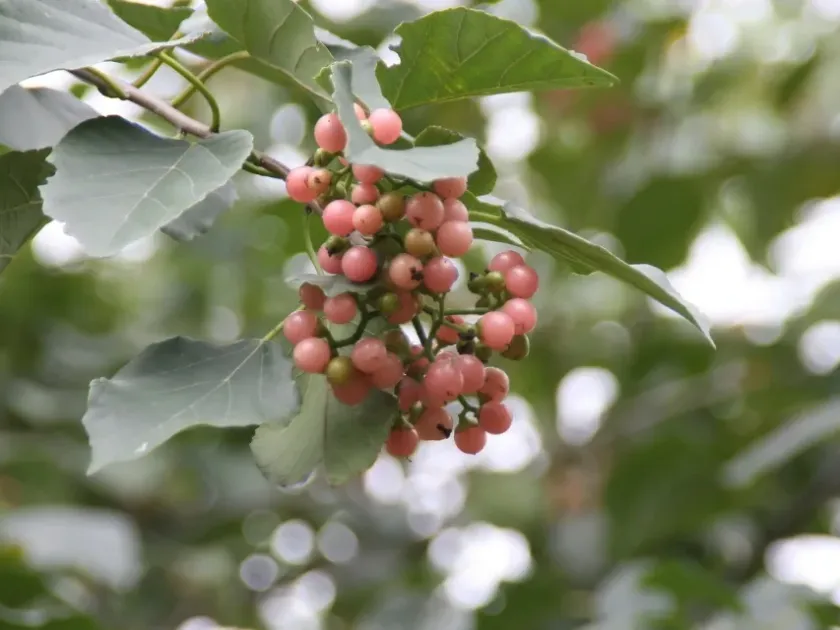
Description
Sowing dates
Seeds of Cordia goeldiana should be sown in nursery containers immediately after harvesting, as they tend to lose viability quickly if stored improperly.
A well-draining, lightweight potting medium is crucial to prevent seedling rot, which is common in high-humidity environments during the germination phase.
The ideal time for transplanting seedlings into the field is at the onset of the rainy season to ensure they become well-established before the dry season begins.
Spacing requirements must be strictly observed to allow enough canopy room for each tree to grow straight, which is essential for timber quality.
Seedlings usually reach a suitable size for outplanting within 6 to 12 months, provided they receive regular fertilization and controlled watering in the nursery.
Growing requirements
Cordia goeldiana is a distinguished member of the Boraginaceae family, native to the tropical rainforests of the Amazon Basin, thriving in warm climates.
The tree requires fertile, deep, and well-drained soils to reach its full genetic potential, avoiding areas with stagnant water or seasonal flooding.
As a light-demanding species, it performs best in full sun exposure, which promotes faster growth rates and the development of a cleaner, more uniform trunk.
Temperatures should consistently remain between 22 and 30 degrees Celsius, as the plant lacks tolerance for frost or prolonged cold weather conditions.
- Consistent rainfall or irrigation throughout the year
- High ambient humidity levels characteristic of tropical zones
- Protection from high-velocity winds to prevent trunk deformation
Yield
Known commercially as Freijo or Brazilian Walnut, the timber is prized for its aesthetic appeal, straight grain, and excellent stability after processing.
It is widely used in high-end joinery, luxury furniture production, and interior paneling, being considered a sustainable alternative to other rare hardwoods.
The rotation cycle for harvesting typically spans several decades, requiring careful forest management to optimize wood density and overall harvest yield.
Beyond timber, the tree plays a vital role in tropical reforestation efforts, contributing to biodiversity and biomass accumulation in degraded landscapes.
Economic returns depend significantly on the silvicultural practices applied, such as pruning, which minimizes knots and enhances the final value of the boards.
Main diseases and pests
Fungal pathogens represent the most significant threat to the health of the trees, especially when plantations are established in areas with poor drainage.
Xylophagous insects, including various species of borers, can inflict deep damage to the timber quality, necessitating rigorous pest monitoring and management.
Competition from aggressive vine species and weeds can severely stunt the development of young Cordia goeldiana trees if not addressed early on.
Nutrient imbalances in the soil can lead to physiological distress, making the trees more susceptible to opportunistic infections and environmental stressors.
Integrated pest management, including regular sanitation harvests and maintaining ecosystem diversity, is the best strategy to protect the long-term health of the crop.